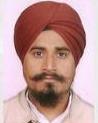
On a quiet Sunday morning, August 5, 2012, in Oak Creek, Wisconsin, the Sikh Temple of Wisconsin was bustling with preparations for the day's services and the customary communal meal. Among those present was Prakash Singh, a 39-year-old Southwest Asian male from India who served as a priest, or granthi, at the temple. He had moved to the United States in 2005 and had been with this congregation for about seven years. The year 2012 had been a joyous one for him; he had recently received his green card and had just returned in June from a trip to India with his wife and their two children. The family was on the verge of starting a new chapter, preparing to move into their own apartment in the coming week.
The peace of the morning was shattered when a 40-year-old man named Wade Michael Page, a U.S. Army veteran with ties to white supremacist and neo-Nazi groups, arrived at the temple armed with a 9mm semi-automatic pistol. The attack began just before 10:30 AM. Prakash Singh was one of the first people to be killed by the gunman. As the chaos unfolded, he was fatally shot inside the holy building. In the end, six worshippers were killed that day, and several others were wounded in the rampage. The act of violence was investigated as an incident of domestic terrorism and a hate crime.
The attack concluded when Oak Creek police responded to the scene. An officer was shot multiple times by the assailant before another officer managed to wound Page. After being shot by police, Wade Michael Page took his own life with a self-inflicted gunshot wound to the head. Because the lone gunman died at the scene, no arrests were made in connection with the deadly shooting. The tragedy left the community in mourning for the lives lost, including that of Prakash Singh, a caring and hardworking man who had just brought his family to the United States to build a future.