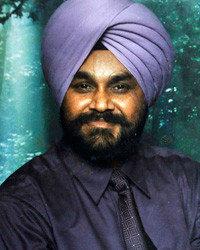
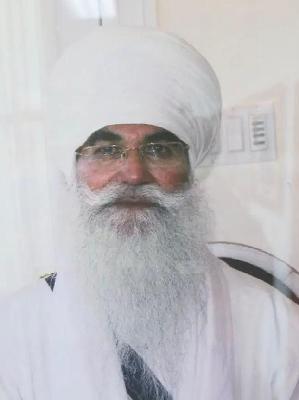
On a summer morning in Oak Creek, Wisconsin, a place of peaceful worship was shattered by an act of hate. It was August 5, 2012, when Sita Singh, a 41-year-old Sikh man of Indian descent, was killed during a violent rampage at the Sikh Temple of Wisconsin. He, along with his brother Ranjit Singh and four other members of the congregation, became victims of a white supremacist gunman.
The Sikh community had gathered for Sunday services, preparing for a communal meal, when the shooter began his attack around 10:25 a.m.
The perpetrator was identified as 40-year-old Wade Michael Page, a U.S. Army veteran with deep ties to the white supremacist and neo-Nazi movements. Page, a resident of nearby Cudahy, had a history of involvement with racist music bands. He entered the temple armed with a 9mm handgun, which he had purchased legally, and began shooting indiscriminately at the worshippers inside. The attack claimed the lives of five men and one woman and left several others wounded, including a police officer who responded to the scene. One of the injured, a priest, succumbed to his injuries years later in 2020.
The event was swiftly categorized by authorities as an act of domestic terrorism and a hate crime. As police arrived, they engaged in a firefight with Page. After being wounded by an officer, Page took his own life with a self-inflicted gunshot to the head. The investigation that followed involved hundreds of interviews and leads but concluded that Page acted alone and was not directed by any larger white supremacist organization. No arrests were made in connection with the attack. The motive was determined to be rooted in his white supremacist ideology. Sita Singh, a priest who had only been at the temple for six months, was survived by his wife and four children.