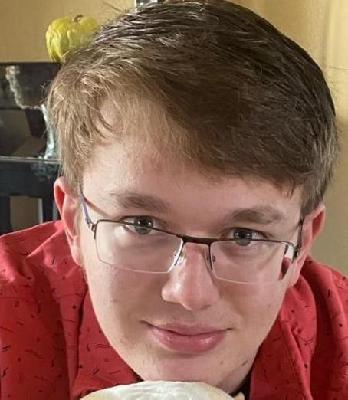
In the small community of Weyauwega, Wisconsin, the life of 16-year-old Ryan T. Ames, a White male, came to a tragic end on December 5, 2020. Known for his intelligence and humor, Ryan was a student at Weyauwega-Fremont High School where he excelled in advanced classes. He was an active member of the school's band and the FFA, and was also a Life Scout in the Boy Scouts, working towards the rank of Eagle Scout. His interests were varied, from playing the saxophone to practicing magic tricks, which earned him the nickname "Magic Man" among his peers.
Behind this vibrant exterior, Ryan was struggling. On that December day, while working at a local Fleet Farm, he took a handgun and ammunition from the store. His family later stated that he had been given "unfettered, unsupervised, and unmonitored access to firearms and ammunition" during his employment. According to a wrongful death lawsuit filed by his parents, Bruce and Bambi Ames, the firearms at the store were not properly secured. They alleged that on the day of his death, Ryan entered the firearm vault multiple times without being questioned.
The family's lawsuit further claimed that Ryan had expressed thoughts of self-harm to more than one coworker, yet no preventative action was taken. After leaving his shift at Fleet Farm, Ryan returned to his home and used the stolen handgun to take his own life. In the wake of their son's death, his parents filed a lawsuit against Fleet Farm, asserting that the retailer's negligence directly contributed to their son's death.
The legal proceedings that followed did not result in a finding of liability against the retailer. Fleet Farm argued in court that it was not aware of Ryan's intentions and could not be held responsible for his actions. A Waupaca County judge ultimately dismissed the lawsuit, a decision that was later upheld by the Wisconsin Court of Appeals. The courts determined that under existing state law, suicide is considered an intervening act that absolves others of liability. There were no arrests or criminal suspects in the conventional sense, as the legal focus centered on the civil liability of the corporation.