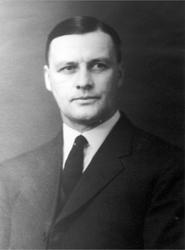
Ludwig P. Johnsen, 44, a White male, was a federal Prohibition agent working a backcountry lead near Leavenworth, Washington, when a routine search for a hidden still turned deadly on July 28, 1928. He and fellow agents Arthur Means and Gerald Church had trekked into the woods outside town to check on reports of an illicit operation. In the dim cover of the timber they encountered two armed men on a trail—men they believed might be moonshiners.
Johnsen announced himself as a federal officer and ordered them to halt. The figures kept advancing. Shots broke the standoff. Johnsen went down badly wounded; the two men suffered minor injuries. He was rushed to a local hospital, where surgeons tried to save him, but he died during the operation.
Only later did the scene fully clarify: the “unknown gunmen” were the Chelan County sheriff and his deputy, just back from their own raid on the same still. Accounts preserved by memorial organizations describe a split-second misreading in the shadows—Johnsen identifying himself, the sheriff believing he faced bootleggers, and a warning shot into the ground before the sheriff returned fire. The confusion, compressed into moments, left one federal agent mortally wounded and a community grappling with the bitter irony of officers meeting officers in the wilds of Tumwater Canyon.
Agency records fix the basic contours of the tragedy: Johnsen was born in 1884, joined the Prohibition Unit in late 1926, and died on July 28, 1928, in Leavenworth after the exchange with local officers. His death was recorded as the result of gunfire amid mistaken identity during a still investigation. He was survived by his wife, Mary, who lived in Spokane, and contemporary remembrances note he also left behind five children.
Public memorial rolls and officer remembrance pages consistently describe the shooting as a case of mistaken identity involving the county sheriff; none report arrests or criminal charges stemming from the incident. In the aftermath, Johnsen was honored on federal and law-enforcement memorial rolls, his end of watch listed as July 28, 1928, with the cause attributed to inadvertent gunfire during Prohibition enforcement.