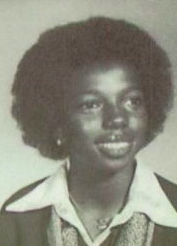
On a Wednesday afternoon, March 23, 1994, the life of 16-year-old Melissa Ursula Fernandes was tragically cut short. She was standing with classmates outside Ballard High School in Seattle, Washington, waiting for her mother to pick her up. Uninvolved in the escalating tensions between local youth gangs, she became an innocent victim caught in the crossfire of a violent feud.
That day, a car carrying members of the '23rd Street Diablos' gang drove by the school with the intent of retaliating against their rivals, the 'Bad Side Posse.'
The events leading to the fatal shooting began two days prior when Jerome Reyes, a member of the Diablos, was chased from the Ballard High campus by members of the rival gang. Seeking retribution, Reyes returned with two carloads of fellow gang members. In the passenger seat of one car, a red Nissan, was Brian Ronquillo, also 16, who was armed with a pistol. The driver, 19-year-old Cesar Sarausad, slowed the vehicle near a crowd of students as Ronquillo opened fire, discharging multiple rounds. One of the bullets struck Melissa, inflicting a mortal wound. Another student was also injured in the attack. Melissa was rushed to Harborview Medical Center, where she died the following morning.
The brazen daylight shooting sent shockwaves through the city and prompted a swift police investigation. Within days, Seattle police had arrested 11 individuals connected to the crime. The shooter, Brian Ronquillo, was tried as an adult and convicted of first-degree murder, receiving a sentence of more than 50 years in prison. Cesar Sarausad, the driver, was convicted of second-degree murder and sentenced to 27 years. Jerome Reyes, who had instigated the confrontation, pleaded guilty to manslaughter and received an eight-year sentence.
In the years that followed, the case saw numerous legal challenges and appeals. Ronquillo's sentence was reviewed due to his age at the time of the crime, and Sarausad's conviction was temporarily overturned before being reinstated by the U.S. Supreme Court. Throughout the legal proceedings, Melissa's family endured the repeated pain of facing her killer in court. Ronquillo expressed remorse for his actions during a resentencing hearing, apologizing directly to Melissa's mother, who in turn stated she had forgiven him as a way to move forward with her own life.