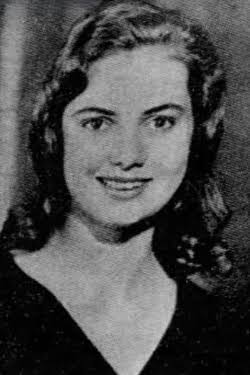
On a tragic Wednesday, May 30, 2012, the life of Gloria Janice Parsons Leonidas, a 52-year-old Caucasian woman, was senselessly cut short in Seattle, Washington. A beloved wife, mother of two, and dedicated community volunteer, Gloria's day ended in a parking lot on First Hill, an innocent victim of a city-wide shooting rampage. Her death was not an isolated act of violence but the final, devastating chapter of a mentally ill man's deadly spree.
Earlier that day, Ian Stawicki had opened
fire at Café Racer in the University District, killing four people and critically injuring another. Fleeing the scene, his path of violence continued until he encountered Gloria near Town Hall at Eighth Avenue and Seneca Street. There, in a desperate attempt to steal her black Mercedes-Benz SUV, Stawicki brutally attacked her. Witnesses reported a fierce struggle, a testament to Gloria's will to survive. Her husband later shared that she fought valiantly, at one point even kicking the gun from her assailant's hands. Despite her courageous resistance, Stawicki shot her in the head before speeding away in her vehicle.
The stolen SUV became a crucial piece of evidence for law enforcement. A witness was able to provide the license plate number, allowing police to track the vehicle to West Seattle. As officers closed in on his location, Ian Stawicki, the sole suspect in Gloria's murder and the cafe shootings, took his own life with a self-inflicted gunshot.
In the wake of the tragedy, there were no further arrests as the perpetrator was deceased. The investigation focused on Stawicki's history of mental illness and the circumstances that allowed him to possess firearms. Gloria Leonidas was remembered as a vibrant and caring individual, deeply committed to her family and her work in the lighting industry. Her violent and untimely death left an indelible scar on her family, friends, and the Seattle community, sparking broader conversations about mental health and gun control.