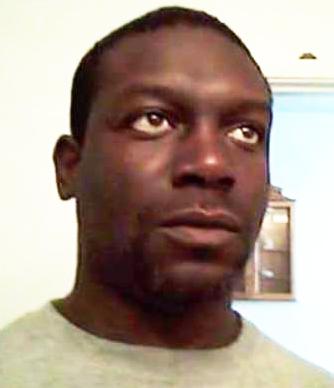
On a Friday morning, September 8, 2006, the life of 24-year-old Julius Williams, a Black/African American male, was tragically cut short in Tacoma, Washington. His body was discovered on the sidewalk just outside Bryant Montessori School in the Hilltop neighborhood, a place that had been working to shed its reputation for violence. Williams, a soldier stationed at the nearby Fort Lewis, had been shot multiple times.
At the time of his death, he was considered absent without leave from his military post and had not been staying at the home he shared with his wife. The initial hours of the investigation were fraught with uncertainty, as there had been no reports of gunshots in the immediate vicinity that morning, though some had been heard in a nearby area the previous night.
The mysterious circumstances of Williams' final days, particularly his status as an AWOL soldier, presented a challenge for detectives. However, the investigation eventually focused on a dispute over a lost handgun. According to investigators, Williams had borrowed a firearm from an acquaintance, 24-year-old Irvin Dale Carter Jr., and had subsequently lost it. This disagreement is believed to have been the catalyst for the fatal confrontation. The case moved forward, and Carter was arrested and charged with the murder of his friend.
In 2008, Irvin Dale Carter Jr. was convicted for the shooting death of Julius Williams and was sentenced to nearly four decades in prison. Throughout his trial and even at his sentencing, Carter maintained his innocence. The judge presiding over the case described the killing as senseless. Years later, in 2014, the case garnered renewed attention when a group of student journalists from the University of Washington Tacoma undertook an in-depth investigation into the circumstances surrounding Carter's conviction. After reviewing court transcripts, ballistic reports, and interviewing individuals connected to the case, including Carter himself, the students raised questions about the verdict, suggesting that new witnesses had come forward since the conviction and that the case warranted another look by the Tacoma police. Despite their efforts, the Pierce County Prosecutor's Office stood by the jury's decision and the conviction was upheld by the Court of Appeals.