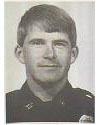
Alexander S. Smith, 55, male, was a railroad policeman for the Northern Pacific Railroad in Tacoma, Washington. On the afternoon of February 4, 1909, he was working in the company's yards near South 2nd Street when a simmering dispute with his partner flared into violence. The argument, reportedly about a recent freight train robbery, turned physical when the partner struck Smith and shattered his eyeglasses.
Smith drew his revolver; the partner ducked behind a wall, and the two men exchanged gunfire, emptying their weapons across the yard. Smith was hit multiple times—in the chest, arms, and legs—and fell mortally wounded. He died shortly after 4 p.m., ending a career spent policing the sprawling rail lines that funneled men and freight through the growing port city.
In the chaotic minutes after the shooting, the partner—identified in historical law-enforcement memorial records as W. C. Dudley—was also wounded but survived. Authorities charged him with second-degree murder stemming from the confrontation that killed Smith. Contemporary memorial accounts describe a workplace feud that spiraled into a deadly crossfire rather than a planned ambush, a grim snapshot of early twentieth-century railroad policing where tensions over robberies and rough conditions could boil over without warning.
News-era compilations and memorial listings confirm the key facts: Smith's end of watch on February 4, 1909, in Tacoma; the location at the Northern Pacific yards; and that his death was the result of gunfire during an altercation with his partner. These same sources note that he left behind family, including a son, underscoring the personal toll behind a terse line in a police roll call. While available summaries record the charging of his partner, they do not provide a definitive public record of the eventual court disposition, leaving the ultimate legal resolution unclear in accessible archives.
More than a century later, Smith's killing remains preserved in law-enforcement remembrance rolls and gun-violence memorials, artifacts of an era when the railroad was both lifeline and battleground. The fragmentary historical record—names, charges, a time and place—still conveys the stark contours of that winter afternoon: two partners, a bitter argument over a freight robbery, and a fusillade that ended one life and shadowed another with a murder charge.