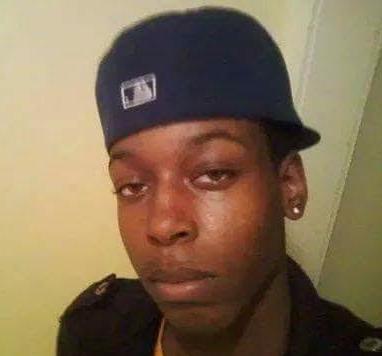
Kenneth Reaves, a 30-year-old man, was fatally shot on May 22, 2012, in Chicago, Illinois. The incident was one of many homicides that contributed to the increasing violence seen in Chicago that year. In 2012, the city saw a significant number of homicides, with reports indicating that the murder rate rose compared to previous years. This increase was largely attributed to the growing prevalence of gun violence, particularly in neighborhoods struggling with systemic issues such as poverty and gang activity.
Reaves’ death occurred in a part of Chicago that was frequently affected by violence, and his case was part of the broader trend of gun-related homicides that year. The crime took place during a particularly challenging period for the Chicago Police Department, which faced criticism for a low clearance rate on homicide investigations and limited community cooperation. Many homicides remained unsolved due to a combination of strained police-community relationships and the difficulty in gathering reliable evidence.
In response to the escalating violence, law enforcement and city officials were under pressure to find solutions that could curb the surge in homicides. The increasing rate of violent incidents like the one involving Reaves was indicative of the urgent need for intervention strategies that could help restore safety to affected neighborhoods. The broader context of Reaves' death reflects the struggle that Chicago faced in 2012 to address the root causes of its violence, such as gang conflicts, economic instability, and the availability of illegal firearms.