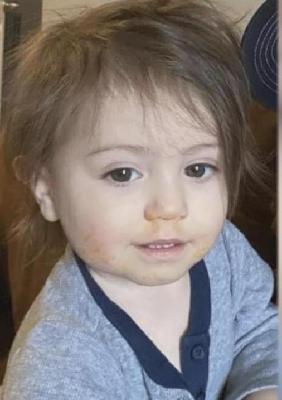
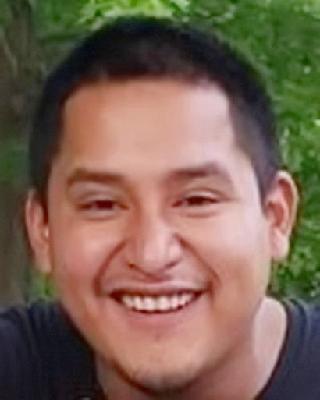
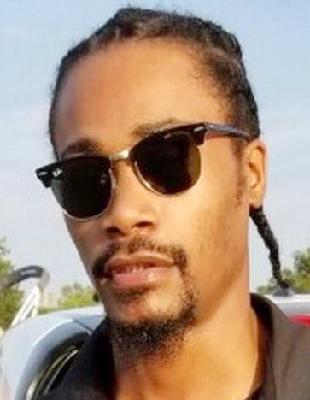
Robert James Tormey Jr. was a 26-year-old White male from Covington, Kentucky, whose life was rooted in the neighborhoods, churches, and schools of his hometown before it was abruptly cut short in 2006. Friends and family knew him as “Robby,” a nickname that fit the easy warmth he carried into rooms and conversations. He had grown up in the local Catholic community, attending St.
Anthony Church and Grade School and later Scott High School, where those who knew him remembered someone fun and hilarious, but also sensitive, kind, and deeply loving toward the people in his life.
The picture that remains of Robert is less a list of accomplishments and more a collage of small, human details. Online remembrances describe a young man whose personality leaned toward humor and heart, someone quick to make others laugh and just as quick to notice when someone around him was hurting. The absence of any listed occupation or workplace in public records subtly reinforces how suddenly he was taken; the story that survives is not about a long career or a settled adult life, but about a person caught in the in-between years, standing on the threshold of whatever would have come next.
On December 10, 2006, that future ended with gunfire in Covington. The available record captures the moment in stark, simple terms: he was “lost to gun violence” on that date, the blunt phrase standing in for all the chaos, fear, and heartbreak that must have filled his final moments. There are no widely accessible narratives describing the setting of the shooting, the argument or encounter that may have preceded it, or the path that brought him into the line of fire. Instead, his name appears on a memorial list among thousands of others, each representing a life interrupted by a weapon, a family changed forever, and a circle of friends left to puzzle over the senselessness of it all.
In the years since his death, the public trail of documentation has focused far more on memory than on investigation. Online, his profile is framed by candles lit in his honor and brief notes about his character and schooling, but it does not include the formal markers of justice—no mention of a suspect, no arrest history, no court dates, no trial, and no conviction connected to his killing. From what can be seen in the records that are readily available today, the official story of who pulled the trigger and why remains outside the public eye, if it has ever been recorded at all. What endures instead is the quieter story: of a young Kentuckian known as Robby, remembered for his humor and his heart, whose name has been preserved not in headlines about a solved case, but in the candles and memories of those who refused to let him disappear into statistics.