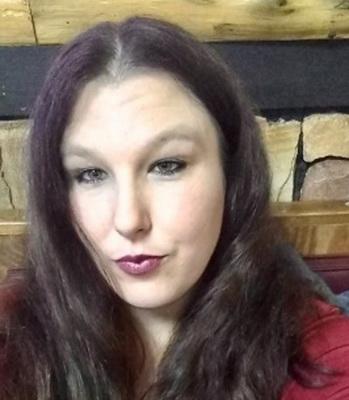
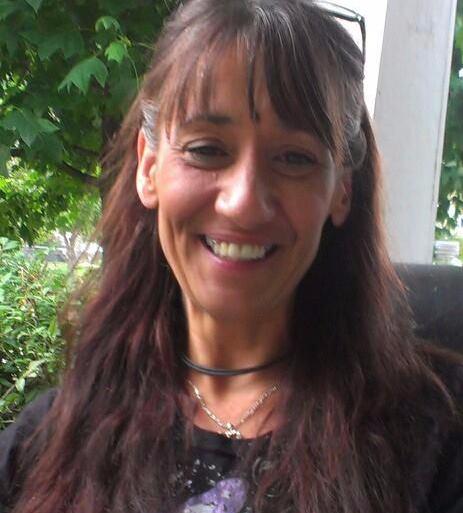
On a warm Sunday afternoon in July 2014, Amanda Franco, a 23-year-old woman from Lexington, Kentucky, sat on the front porch of a home along Race Street as children played nearby and the neighborhood moved through an ordinary summer day. It was just after 3 p.m. when the quiet was broken by gunfire. Neighbors heard the shots and called for help, and officers were dispatched to the area of Race Street and Goodloe, where they found Amanda in the 200 block of Race Street, gravely wounded by at least one gunshot. She was rushed from the scene to a local hospital, but despite the efforts of medical staff, she was pronounced dead a short time later.
Amanda’s death shook those who knew her and those who only learned her name in the news afterward. She was a mother of two small children, described in local coverage and memorial tributes as a loved and cherished presence whose life revolved around her family. Her killing was one of a series of homicides troubling Lexington that year, and her case was noted as the city’s eleventh homicide of 2014, a statistic that stood in stark contrast to the ordinary, everyday act of sitting on a front porch in the middle of the afternoon. Online memorials created in the months and years after the shooting kept her memory alive, emphasizing that she was more than a crime statistic: she was a daughter, a mother, and a person whose absence left a lasting void.
From the beginning, investigators treated the shooting as a homicide and launched an intensive search for whoever had fired the shots that ended Amanda’s life. Officers combed the area around Race Street and Goodloe, interviewed residents, and appealed to the public for information. The city’s police department eventually placed her case among its listed unsolved homicides, highlighting the basic facts of the afternoon—the time of the gunfire, the location where she was found, and her transport to the hospital—and asking anyone with knowledge of what happened to come forward. That official notice, still publicly available, underscores that detectives continue to rely on tips and witness accounts to fill in the gaps left by the chaos of that day.
In the immediate aftermath, local news reported that police were actively searching for suspects but had not yet made any arrests. Reporters emphasized the brazenness of the shooting: a young mother gunned down in daylight while sitting on a porch, with children close enough to hear and witness the aftermath. As time passed, there were no public announcements of identified suspects, charges filed, or court proceedings related to the case. The absence of such developments, combined with the case’s continued presence on the city’s unsolved homicide list, indicates that no one has been formally arrested or prosecuted for Amanda’s killing.
Years later, Amanda’s story endures primarily through official case summaries, brief news reports, and online memorials created by those determined not to let her name fade. Each of these fragments paints the same stark picture: a summer afternoon, a porch that should have been a safe place, sudden gunfire, and a family left behind without answers. The investigation remains open, and authorities still encourage anyone with information to step forward, holding onto the hope that even after so many years, a single detail from a witness or community member could finally reveal who was responsible for the crime and bring a measure of justice to the family that has been waiting since July 6, 2014.