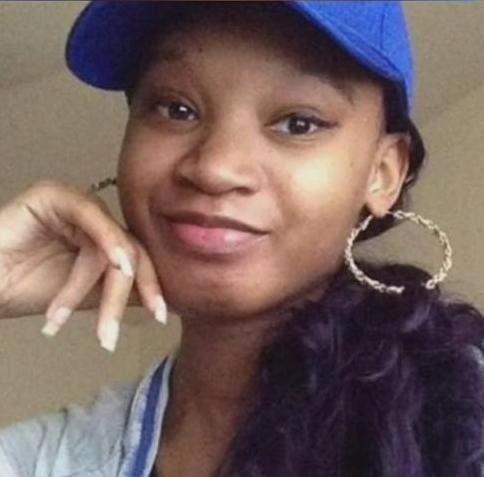
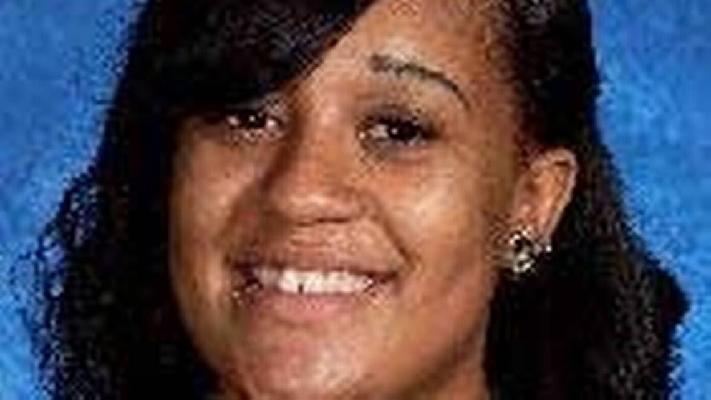
On the evening of February 3, 2017, Tiffany Duiguid, a 32-year-old woman, was at home in the south Lexington neighborhood where she lived with her boyfriend and her thirteen-year-old son when an ordinary winter night turned into a scene of sudden, lethal violence. Originally from Charleston, West Virginia, she had built a life in Lexington with her child and partner, sharing a house on Whispering Hills Drive.
That Friday, police later said, an argument inside the home escalated into a deadly confrontation that would leave two adults dead and a teenager gravely wounded.
Around 7:30 p.m., Lexington police were called to the house on the 400 block of Whispering Hills Drive after reports of gunfire. Officers and the Fayette County coroner found Tiffany shot to death inside the home, while her boyfriend, 44-year-old Keith Plaster, lay dead on the back porch from what investigators believed was a self-inflicted gunshot wound. A thirteen-year-old boy, Tiffany’s son, had also been shot but managed to run to a neighbor’s home to get help; he was rushed to the hospital and was expected to survive. The coroner later described the scene as horrific and said that, from where Tiffany was found, it was clear she had realized her life was in danger. Police concluded that during a domestic argument, Plaster shot her, then shot the boy when he came upstairs to see what was happening, before turning the gun on himself.
In the days that followed, grief rippled from Lexington back to Tiffany’s hometown in West Virginia. Friends and relatives gathered in Charleston for a vigil, speaking about her as a loving mother and friend whose life had been cut short without warning. At a candlelight gathering and balloon release planned outside the Lexington home, neighbors and loved ones talked about the shock of losing her and the helplessness they felt when they heard what had happened. Some used the moment to plead with others in abusive or volatile relationships to reach out for help before arguments turned deadly, saying that Tiffany’s death should be a reminder to check on friends and family and not ignore signs of danger behind closed doors. Her son, shot twice, was reported to be recovering at the University of Kentucky Hospital, a living symbol of both the brutality of that night and the fragile hope that something might be salvaged from it.
For investigators, the case quickly took shape as an apparent murder-suicide rather than a mystery. Lexington police publicly identified Plaster as the person they believed shot and killed Tiffany in her home before killing himself, a conclusion echoed in local news reports. A brief statement relayed by a Lexington television station, referencing information from West Virginia officials, noted that Plaster had previously faced charges there, including domestic battery and wanton endangerment, suggesting a history of violence that stood in grim contrast to his work as a substance abuse counselor described in his obituary. On the city’s official 2017 homicide investigations list, Tiffany’s death is recorded as a gunshot killing at the 400-block of Whispering Hills Drive with the case status marked “CBE” – cleared by exception – reflecting that the suspected perpetrator died and would never face arrest, charges, trial, or conviction.
With the suspect dead and the surviving child on a long road to healing, there were no courtroom battles or verdicts to close this chapter. Instead, the story of Tiffany’s death has lived on in vigils, memorial pages, and the quiet memories of those who knew her, framed by a police determination that what happened inside that Lexington home was an act of intimate partner violence that ended in murder and suicide rather than a crime that could ever be prosecuted.