On the early morning of September 25, 1992, Jerome Victor Haaf, a 53-year-old White male and a 30-year veteran of the Minneapolis Police Department, was nearing the end of his overnight shift. He decided to take a coffee break at the Pizza Shack, a popular eatery for police officers located on Lake Street. As he sat at a table reading a newspaper, two assailants entered the restaurant and, without warning, fired multiple shots into his back in an execution-style killing.
Haaf, though mortally wounded, was able to radio for help, stating "Officer down." Another patron sitting at the same table was also wounded during the attack. Despite the quick response of fellow officers and emergency services, Haaf succumbed to his injuries at the Hennepin County Medical Center.
The murder was a calculated act of violence carried out by members of the Vice Lords street gang. The investigation revealed that the shooting was an order from the gang's leadership to kill a police officer. This shocking crime sent ripples of fear and anger through the city and the law enforcement community. A multi-agency task force was assembled to bring the perpetrators to justice. The investigation was extensive, involving numerous interviews and the collection of a substantial amount of evidence.
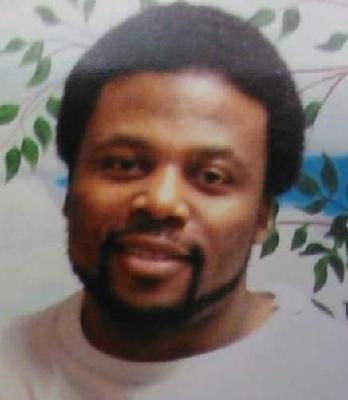
The investigation led to the arrests of four young men associated with the Vice Lords gang. The suspects were identified as A.C. Ford, who was second in command of the gang, Shannon Bowles, Amwati Pepi McKenzie, and Montery Trymaine Willis. Prosecutors laid out a case detailing how Ford gave the order to kill a police officer at the Pizza Shack. Bowles and McKenzie were identified as the two who entered the restaurant and shot Haaf.
Following their trials, all four men were convicted for their roles in the murder of Officer Haaf. One of the men was sentenced to life in prison, while the other three received sentences of 30 years to life. The convictions brought a measure of closure to a case that had deeply affected the city of Minneapolis and highlighted the escalating tensions between street gangs and law enforcement at the time. Jerome Haaf was just months away from his planned retirement when his life was tragically cut short.