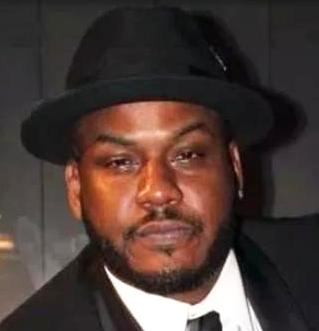
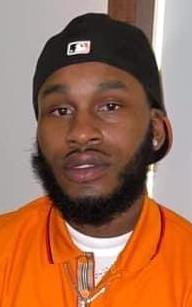
On a Friday afternoon in Minneapolis, Minnesota, the life of Travis Jordan, a 36-year-old Black male, came to a tragic end. On November 9, 2018, Jordan's girlfriend, concerned for his well-being, made a call for a welfare check. She informed the dispatcher that Jordan was experiencing a mental health crisis, struggling with depression and anxiety, and had expressed suicidal thoughts. She mentioned he had been using alcohol to cope and had told her he wanted to die.
She also conveyed to the dispatcher that when she told Jordan she was calling the police, he responded, "Go ahead and call the cops, I'll talk to them when they get here."
Two Minneapolis police officers, Neal Walsh and Ryan Keyes, were dispatched to the home on Morgan Avenue North where Jordan was staying with a friend. Upon arrival, the officers' initial attempts to make contact with Jordan at the front door were unsuccessful. They moved to the side of the house, where they saw him through a window. At one point, Jordan opened a window and swore at the officers before slamming it shut. The officers contacted their sergeant, who advised them not to force entry into the house. Shortly after, Jordan appeared on the front porch, holding a large kitchen knife.
Body camera footage from the officers captured the tense moments that followed. The officers drew their weapons and repeatedly ordered Jordan to drop the knife. Jordan, visibly distressed, yelled back at them, "Let's do it! Come on!" Officer Walsh can be heard on the recording saying, "Nope, I do not want to do this. Put the knife down and we'll come out and talk." Despite their commands, Jordan stepped off the porch and began walking towards Officer Walsh. As he advanced, Officer Keyes fired one shot that missed, striking a tree. Officer Walsh then fired multiple shots, striking Jordan. The officers provided medical aid until paramedics arrived, but Jordan was later pronounced dead at a local hospital. An investigation by the Minnesota Bureau of Criminal Apprehension found a notebook in the room where Jordan was staying with a note that read, "Paul I'm so sorry this happened at your house."
In the aftermath of the shooting, the Hennepin County Attorney's Office reviewed the case. It was announced in January 2019 that no criminal charges would be filed against Officers Walsh and Keyes. The county attorney concluded that the officers' use of deadly force was justified because they reasonably believed they were in danger of death or great bodily harm. The decision cited Jordan's possession of a large knife and his refusal to comply with commands to drop it as he advanced on them. Jordan's family and his girlfriend disputed the official account, arguing that the officers failed to de-escalate the situation and did not have to resort to lethal force, especially since they were aware it was a mental health crisis. Subsequently, Jordan's mother filed a federal civil rights lawsuit against the city of Minneapolis and the two officers, which was later impacted by a court ruling granting qualified immunity to one of the officers.