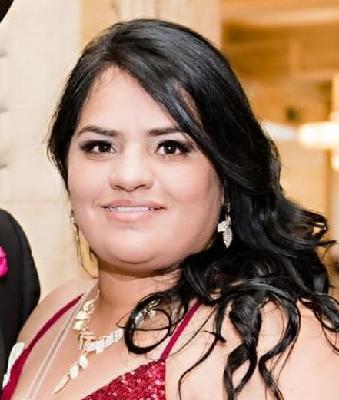
On a day that should have been filled with joyful anticipation, 23-year-old Ashley Kay Harlan, a Caucasian female, was found deceased in Olathe, Kansas. It was January 30, 2018, the very day she was scheduled to find out the gender of her unborn child. Ashley, who was about 20 weeks pregnant, had recently moved to an Olathe townhouse to be closer to the baby's father, Devonte Wash.
She was living with her grandfather at the time of her death.
Ashley's life had seen its share of difficulties. Her mother passed away when she was young, leading to time in the foster care system. Despite these challenges, friends described her as a sweet and caring person who was turning her life around. She had overcome drug addiction and was involved with a Christian-based ministry, helping survivors of sex trafficking. With dreams of becoming a social worker, she was looking forward to starting a new job as a mentor to foster children and creating a happy family for her own child.
The investigation into Ashley's death, which was determined to be a homicide by shooting, soon focused on her boyfriend, 26-year-old Devonte Wash. It was Wash himself who called 911 on the afternoon of January 30th, reporting that he had found Ashley dead inside the residence. In April 2018, authorities arrested Wash and charged him with capital murder in the deaths of Ashley and their unborn son. Investigators discovered that Wash had purchased a handgun about a month before the murder, and shell casings found at the crime scene matched those from a location where he had been seen firing the weapon.
In May 2022, a Johnson County jury found Devonte Wash guilty of capital murder. He was subsequently sentenced to life in prison without the possibility of parole. However, in a significant turn of events, the Kansas Supreme Court overturned Wash's conviction in July 2025. The court's decision was based on what it described as "multiple prosecutorial errors," including the discussion of excluded evidence during closing arguments. This ruling vacated the earlier conviction, leaving the case unresolved.