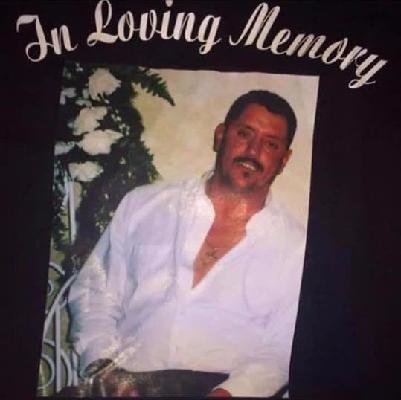
On August 2, 2019, a tragic incident occurred in Las Vegas, Nevada, resulting in the deaths of two 19-year-old teenagers, Timothy Allen Bailey and Harlee Deborski. The killings took place at the home of Jeffrey Bailey, Timothy's father.
The suspect in this case is Chance Underwood, who was also 19 years old at the time of the murders. Underwood had a personal connection to the victims, particularly Harlee Deborski, with whom he had been close friends since their junior or senior year of
high school. Despite this friendship, Underwood's actions on that fateful day were driven by a disturbing mental health issue. Underwood, who later pleaded guilty but mentally ill, had been diagnosed with schizophrenia. His attorney, Ryan Bashor, explained that Underwood's mental health condition led him to hear the names of Harlee and Timothy repeatedly, culminating in an irrational belief that killing them would alleviate his fears and restore a sense of normalcy to his life.
Underwood's method of execution was calculated and chilling. He disguised himself in a sweatsuit and walked to the house where the killings took place. According to Chief Deputy District Attorney Giancarlo Pesci, Underwood did not hesitate after shooting the first victim, indicating a 'determination to be a killer'.
Following the murders, Underwood was arrested soon after skipping Harlee Deborski's funeral. His arrest marked the beginning of a lengthy legal process that would eventually lead to his conviction. Underwood pleaded guilty to two counts of murder with a deadly weapon, as well as counts of burglary with a deadly weapon and carrying a concealed firearm or other deadly weapon. As part of his plea agreement, prosecutors agreed not to seek the death penalty.
During his sentencing, the court heard emotional testimonies from the victims' families. Jason Deborski, Harlee's father, and Christie Moody, Timothy's aunt, spoke about the profound impact of the loss on their lives. Underwood apologized for his actions, expressing regret and a desire to undo the harm he had caused. Despite requests for the maximum sentence of life in prison without parole, District Judge Carli Kierny sentenced Underwood to 45 years to life in prison.
Underwood's case highlights the complexities of mental health and its potential impact on behavior. Prior to the incident, Underwood had no significant criminal record, having only a reckless driving conviction. He was described as an intelligent and successful individual who had graduated high school and was studying engineering at the University of Nevada, Las Vegas. However, his undiagnosed schizophrenia ultimately led to the tragic events that changed the lives of the victims' families forever.