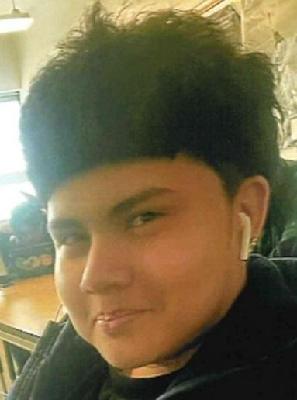
On May 18, 1987, in Denver, Colorado, 33-year-old Houng Bihn Lieu, an Asian male, stepped outside to find out why the alarm on his car had suddenly begun to sound. What started as a simple, practical response to a blaring alarm—something countless vehicle owners have done without a second thought—brought him face to face with people intent on stealing from him.
In the alley running through the 1500 block between Hooker and Irving, he discovered suspects in the middle of attempting to break into his vehicle, transforming a moment of everyday inconvenience into the beginning of a fatal confrontation.
The thieves, startled at being interrupted, abandoned their efforts and ran. Rather than letting them simply vanish into the darkness of the alley, Lieu chose to pursue them, perhaps out of instinct, anger, or a belief that he might stop them or at least scare them off for good. As he chased after the fleeing suspects, one of them turned on him with a gun. In that alley, amid the echo of the departing footsteps and the fading wail of his car alarm, a shot was fired that struck Lieu and brought his pursuit to an abrupt and devastating end.
Emergency responders rushed Lieu to a local hospital in an effort to save his life. Despite those efforts, his injuries were too severe, and he died the same day he was attacked. Official records list his date of death as May 18, 1987, the same date as the incident, underscoring how rapidly the encounter in the alley escalated from property crime to homicide. He is remembered in state databases and memorial sites as a victim of gun violence whose life ended abruptly in Denver that day, far from the kind of closure or justice that families and communities hope for after such a loss.
Investigators with the Denver Police Department and the Colorado Bureau of Investigation classified the case as a homicide and placed it into their cold case files when it remained unsolved. The official synopsis describes multiple suspects involved in the attempted car break-in and identifies one of them as the shooter, but no public description of those individuals has been released in the records that are available. Authorities have continued to appeal to the public for information that could lead to the arrest and prosecution of the person or people responsible, signaling that, despite the passage of decades, the case is still open and active in the sense that it awaits a crucial lead.
To date, no arrests connected to the murder of Houng Bihn Lieu have been publicly documented in official cold case summaries or in gun violence memorial records that draw directly from law enforcement sources. The language used by investigators—referencing “suspect ” and requesting information that would lead to arrest and prosecution—reinforces that the individuals who confronted Lieu in that alley and took his life have not been formally identified or brought before a court. His story now lives on in cold case archives and memorial pages, a reminder of how a brief, ordinary act like stepping outside to check on a car alarm can intersect with hidden danger, and how a few moments in a quiet Denver alley in 1987 left a permanent absence that still waits for accountability.