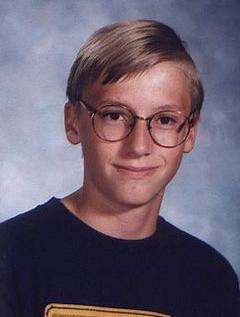
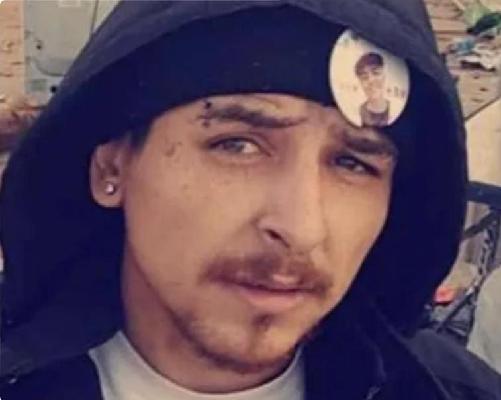
On a day that would otherwise have been ordinary, April 20, 1999, the life of 18-year-old Isaiah Eamon “Bushwick” Shoels, a Black male student at Columbine High School in Littleton, Colorado, was tragically cut short. He was one of 13 people murdered by his fellow students, Eric Harris and Dylan Klebold, in a meticulously planned attack that shocked the nation. Shoels, a senior who was just weeks away from graduation, was known for his love of music and sports and had dreams of attending the Denver Institute of the Arts. He had overcome a heart defect diagnosed in his childhood to become a football player and wrestler.
That morning, Harris and Klebold, armed with an arsenal of weapons, began their assault on the school. Their initial plan to detonate propane bombs in the cafeteria failed, leading them to embark on a shooting spree. The massacre culminated in the school library, where ten students, including Isaiah Shoels, lost their lives. Survivors hidden nearby recounted the chilling moments before Shoels was killed. The gunmen, Harris and Klebold, located Shoels under a table and subjected him to racial slurs before one of them shot him in the chest, ending his life. This has led his family and others to believe his death was a hate crime, a sentiment underscored by reports that Shoels had experienced racial intimidation at the school prior to the attack.
The perpetrators, Eric Harris, 18, and Dylan Klebold, 17, died by suicide in the library, bringing the rampage to an end. Their deaths meant they would never face trial for the heinous acts they committed. However, the investigation that followed did lead to arrests. Mark Manes, who sold a handgun to the shooters, and Philip Duran, who introduced them to Manes, were both sentenced to prison for their roles in supplying the underage gunmen with a weapon. The tragedy prompted a national conversation on gun control and school safety, leaving a lasting scar on the community of Littleton and the nation as a whole. In the aftermath, Isaiah Shoels' family found it too painful to remain in Littleton and relocated. His cap and gown were buried with him, a poignant symbol of the future that was stolen from him.