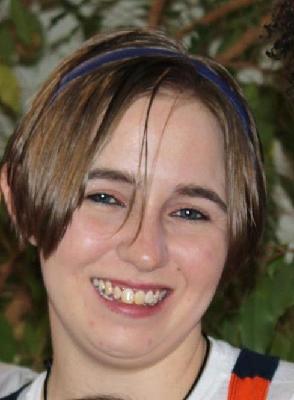
In the early morning hours of January 21, 2018, the life of 30-year-old Clarissa 'Claire' Wilkens, a White/Caucasian female, was cut short in her Denver, Colorado apartment. The tragedy unfolded shortly after she and her husband, Cain Wilkens, had hosted a birthday party at their residence on South Albion Street. Cain Wilkens initially reported to the apartment manager that his wife had shot herself. Responding police officers, however, discovered a scene that suggested a more complex and troubling story.
Upon entering the couple's apartment, police found Clarissa in the bedroom with a fatal gunshot wound to the back of her head. Investigators at the scene noted inconsistencies with a self-inflicted wound. There was no soot or stippling around the wound, which is typically present in close-contact shootings. Furthermore, there was no blood found on Clarissa's hands. A neighbor reported hearing a woman screaming 'No, no, no,' and a man yelling, 'Get back here,' around the time of the incident, adding to the suspicious nature of the event. Detectives also observed signs of a struggle within the bedroom, including a broken picture frame and overturned furniture. A Smith & Wesson 9-millimeter handgun with blood on it was found in an unlocked safe in the same room.
The investigation swiftly focused on Cain Wilkens. He was arrested the day after his wife's death and formally charged with first-degree murder. Prosecutors argued that the evidence did not support his claim of suicide. After a five-day trial in November 2018, a jury found Cain Wilkens, then 44, guilty of second-degree murder, and he was subsequently sentenced to 48 years in prison.
However, the legal saga did not end there. In a significant turn of events, Cain Wilkens' murder conviction was overturned by an appeals court in September 2022. The reversal was not based on a reassessment of the evidence but on what the court deemed as improper and prejudicial statements made by the prosecutor during the closing arguments of the trial. The court found that the prosecutor's emotional appeal to the jury, asking them to hold Wilkens accountable for making their child an orphan, may have unduly influenced their verdict. This development has left the final resolution of the tragic death of Clarissa Claire Wilkens in a state of legal uncertainty.