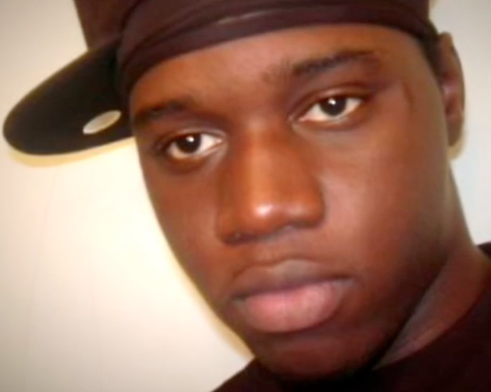
On March 7, 1970, Franklin D. Lynch, a 24-year-old musician, was fatally shot by a police officer at Boston City Hospital in Boston, Massachusetts. The incident was marked by controversy and allegations of police misconduct.
The events leading to Lynch's death began when he was a patient at Boston City Hospital. Officer Duggan, who was responding to a disturbance in the ward, became involved in a confrontation.
According to eyewitness accounts, including that of a patient named Anglin, Duggan was initially focused on another individual, a prisoner named Hassan, who had stepped out of his hospital bed. Duggan drew his gun and pointed it at Hassan, ordering him back into bed. However, during this time, Lynch, who was unarmed, took a swipe at Duggan's gun with a towel he was holding. In response, Duggan raised his weapon and fired multiple shots at Lynch. Despite the initial shots, Lynch did not move, and it was only after the final shot that he collapsed in a pool of blood.
The shooting was witnessed by patients and hospital staff, who were left aghast by the event. Another patient, 61-year-old Edward Crowley, was inadvertently hit by one of Duggan's errant shots and later died from his injuries 11 days after the incident. The immediate aftermath saw Duggan preventing medical staff from attending to Lynch, insisting that the motionless figure was still a threat. This behavior was widely criticized and added to the perception of police misconduct.
The investigation into Lynch's death was complex and involved multiple agencies. Initially, there was significant pressure for an external investigation, with 16 Black community organizations in Boston and the NAACP calling for a federal inquiry. Both of Massachusetts' U.S. senators at the time, Ted Kennedy and Edward Brooke, announced that the FBI would conduct a thorough investigation under the 1964 Civil Rights Act. However, the investigation was ultimately preempted by a request from the Suffolk County medical examiner for a Boston Municipal Court inquest. This inquest, which was closed to the press and the public, resulted in no charges being filed against Officer Duggan. The inquest report was impounded, and while parts of it leaked to the press, the full document remained secret.
Lynch's family subsequently filed a civil suit against Duggan and the city in federal court. In 1973, an all-white jury found Duggan not responsible for Lynch's death, further exacerbating the sense of injustice felt by the community. The lack of accountability in this case contributed to ongoing frustration and mistrust between the community and law enforcement institutions.
In summary, Franklin D. Lynch was killed by Officer Duggan during a confrontation at Boston City Hospital. Despite multiple investigations and significant community pressure, no criminal charges were filed against Duggan, and he was later cleared of responsibility in a civil trial. The case remains a poignant example of alleged police misconduct and the systemic failures that can prevent justice from being served.