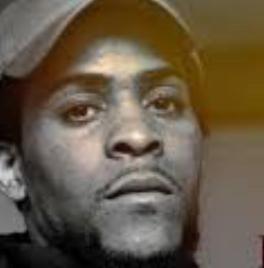
On the evening of October 15, 1996, a decision to take public transportation home from work ended in tragedy for Melvin Franklin, a 39-year-old Black / African American man. Franklin, a skycap at Boston's Logan International Airport, was walking the last few blocks to his home on Woodrow Avenue in Dorchester, a journey he usually made by car. His wife, Mary, was at home with their children when the familiar, yet dreaded, sound of gunshots echoed through the neighborhood.
Soon after, the piercing wail of sirens confirmed that this was more than just a passing disturbance.
Earlier that day, Franklin had opted not to drive to his job, a small change in routine that would have unforeseen and devastating consequences. As he made his way home that night, it is believed that he came across a robbery in progress or an assault. A man known for his willingness to help others, it is thought that Franklin intervened, a selfless act that ultimately cost him his life. He was shot in the chest, just a short distance from the safety of his own home. The person he may have been trying to help has never come forward, leaving a painful void in the narrative of that fatal night.
At home, a sense of unease turned to panic for Mary Franklin when she received a call from Boston City Hospital. Rushing to the hospital with her children, she was met with the devastating news that her husband had not survived his injuries. The scene she encountered in the hospital room, of her husband lying lifeless, would remain etched in her memory forever. The investigation into Melvin Franklin's murder has yielded no arrests and no publicly identified suspects. The case has grown cold over the decades, leaving his family with unanswered questions and a profound sense of loss.
In the years following her husband's unsolved murder, Mary Franklin transformed her grief into activism. She became a vocal advocate for the families of homicide victims, channeling her personal tragedy into a mission to support others navigating similar heartbreak. While the official investigation remains open, the identity of the person or persons responsible for Melvin Franklin's death is still unknown. The story of his final moments, a presumed act of courageous intervention, stands in stark contrast to the enduring silence and lack of resolution that have followed.