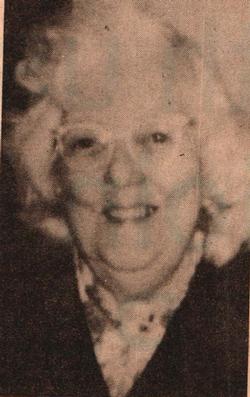
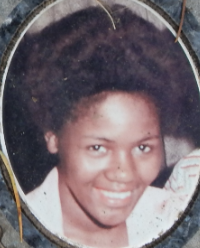
Sharon Coleman, a 25-year-old African-American female from Portland, Oregon, was shot on the evening of November 2, 1975. A friend rushed the 25-year-old victim to a local hospital, where she was pronounced dead a short time later. The bare facts of the night leave a lingering hush: a young woman grievously wounded, a desperate drive, and a life ending before anyone could make sense of what had happened.
In the days that followed, investigators searched for answers that never seemed to fully materialize. There were no immediate arrests, no named suspect, and no public accounting of a motive; the case slipped into the long corridor of unsolved homicides that haunt a city’s memory. Even as years passed, the 25-year-old victim’s name continued to appear in memorial lists and cold-case roundups, each mention a small flare of remembrance—and a reminder that the person responsible was never brought to justice.
Records that remain accessible today confirm the most essential details: the 25-year-old victim’s identity and date of death, and the stubborn absence of closure. A graveside entry marks the span of her life, and national memorials record her as “lost to gun violence,” while local cold-case summaries restate the stark outline—shot, transported by a friend, and gone before any suspect could be named. The silence around the who and why only deepens the sense of an interrupted story, one that still waits for a witness to step forward or a long-kept memory to loosen.