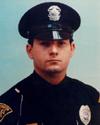
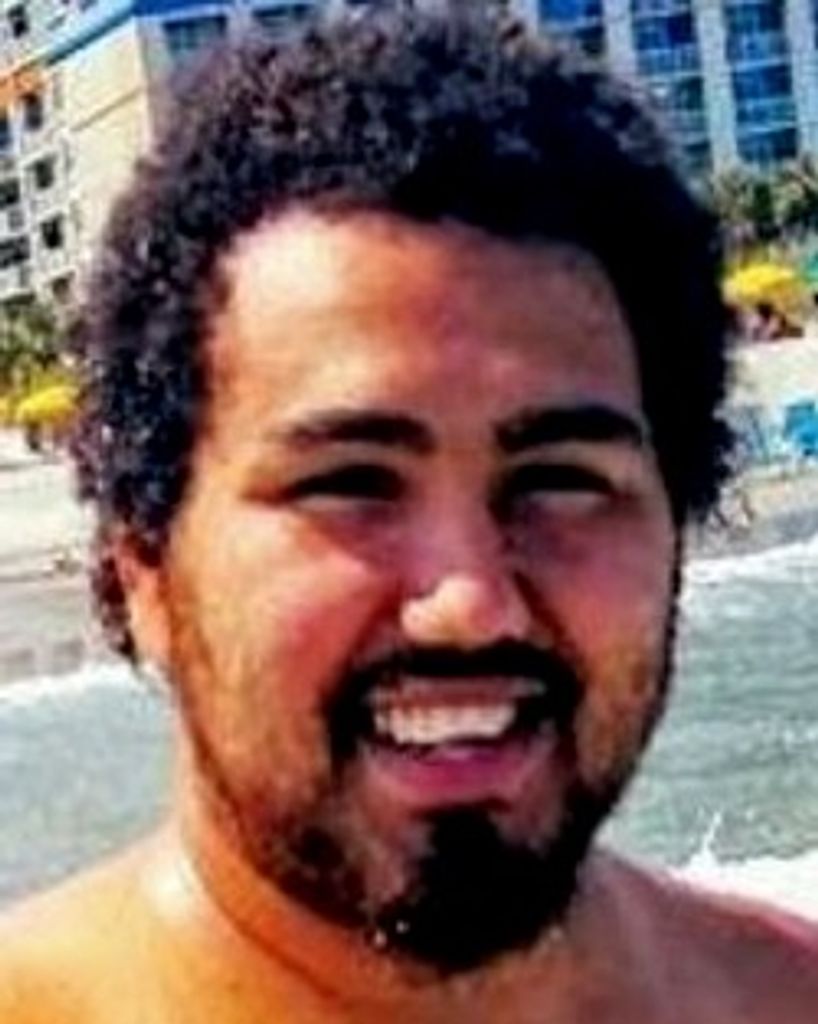
James W. Mills was a 36-year-old White/Caucasian male who served as an officer with the Huntington Police Department in Huntington, West Virginia. By the summer of 1975, Mills had been with the department for approximately five years. The event that ultimately took his life began on June 10, 1975, but contrary to the date sometimes associated with the case, that was the date of the shooting rather than the date he died.
Mills had just finished working an evening patrol shift and returned
to his residence in the 2200 block of Adams Avenue. As he was getting out of his vehicle outside his home, an assailant who had apparently been concealed behind a tree suddenly emerged. The attack was an ambush rather than a confrontation that developed in the street. The shooter fired once, striking Mills in the back of the neck. Available law-enforcement memorial information does not identify the type or caliber of firearm used, and there is no publicly documented indication that Mills had been able to anticipate the attack before the shot was fired.
The wound was catastrophic but not immediately fatal. Mills survived the shooting, although the damage left him permanently paralyzed. The Huntington Police Department describes the injury as leaving him paraplegic, while the Officer Down Memorial Page describes him as quadriplegic; in either account, the single bullet profoundly altered the remainder of his life. Instead of dying at the scene on June 10, 1975, Mills lived for more than six additional years with the consequences of the wound.
The identity of the person who waited near Mills' home and shot him has never been publicly established in the available official accounts. The Huntington Police Department continues to describe the attacker simply as an unknown assailant, and the Officer Down Memorial Page does not list an identified offender. No publicly documented arrest for the ambush has been found, nor is there a documented suspect who was formally charged, prosecuted, tried, or convicted for shooting Mills. A later memorial recollection from the daughter of another area police officer also stated that, to her knowledge, a suspect had never been apprehended. Consequently, there is no documented prosecution history to follow from the attack and no known court proceeding that established a motive or identified the shooter.
Mills eventually died on December 15, 1981, from complications attributed to the gunshot wound he had suffered in the 1975 ambush. His death therefore transformed an attack that had left him grievously disabled into a line-of-duty death connected directly to the shooting more than six years earlier. He was survived by his wife, a son, two daughters, and his parents. The Huntington Police Department subsequently placed Mills among its fallen officers, recording December 15, 1981, as his end of watch.
The circumstances leave the case with a stark unanswered question. Someone apparently knew enough about Mills' movements to be positioned outside his residence as he came home from his patrol shift, concealed near the property until the moment of attack, and then escaped after firing the single disabling shot. Yet the public record provides no identified motive, no named perpetrator, and no documented arrest or conviction. Decades later, the official account of Mills' death still describes the person responsible only as an unknown assailant, leaving the June 10, 1975 ambush unresolved in the publicly available record.