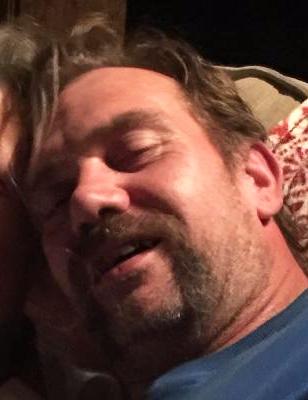
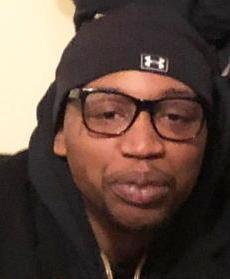
Wesley Clayton Frame Jr., a 29-year-old White male, was serving as a conservation officer with the West Virginia Department of Natural Resources when an ordinary enforcement matter turned deadly on November 10, 1978, in the Peterstown area of Monroe County. Frame had been with the agency for about one year and was also a U.S. Navy veteran. That day, he went to the home of Jerry Elbert Collins after a complaint was made about trash that had been dumped into a stream. Frame took Collins before a Monroe County magistrate in Union, where Collins was fined $25 and ordered to remove the trash.
The situation became more serious as Collins was leaving the magistrate's office. A Monroe County deputy sheriff arrived with an arrest warrant involving an outstanding bad-check charge against Collins in neighboring Giles County, Virginia.
Authorities decided that Frame would accompany Collins while he cleaned the trash from the stream and would then return him to the sheriff to deal with the Virginia warrant. Before beginning the cleanup, Collins and Frame went back to Collins's home so Collins could change clothes and obtain his pickup truck. Inside the house, Collins changed his shirt and began looking for the truck keys. He went into a bedroom and emerged carrying a. 30-30 deer rifle.
Collins pointed the rifle at Frame and ordered him to leave. Frame backed against the door, partially raised his hands and attempted to calm him, telling Collins to put the gun down. Instead, Collins fired, striking Frame in the head and killing him instantly. What had begun as enforcement of a relatively minor stream-littering violation, followed by arrangements concerning an unrelated Virginia warrant, had escalated within minutes into the killing of a state conservation officer.
After the shooting, Collins gathered his family, put them into a pickup truck and fled West Virginia. They traveled to the home of a friend of Collins's wife in Akron, Ohio. Police located Collins there later that evening. When officers confronted him, Collins extended his arms toward them and said, "I'm the one you want." He was arrested in Ohio, extradited to West Virginia and prosecuted for Frame's murder. The appellate record also shows that Collins's wife, Nannie Collins, was indicted in connection with the murder and was scheduled to face a separate trial in June 1980, although the online records reviewed do not establish the eventual disposition of the charge against her.
Jerry Elbert Collins went to trial in the Circuit Court of Monroe County before Judge Charles M. Lobban on April 7, 8, 9 and 10, 1980. His defense did not dispute that he had shot Frame. Instead, his attorneys argued that he experienced brief psychotic episodes and was not legally responsible for his actions when he fired the fatal shot. Relatives and friends testified that Collins had experienced episodes they regarded as spells of insanity. Psychiatrist Dr. David Wayne testified for the defense that Collins had been undergoing a brief psychotic episode at the time of the killing, had lost contact with reality and was unable to control his impulses.
Prosecutors countered the insanity defense with testimony from four doctors who concluded that Collins was not legally insane when he killed Frame. The jury ultimately accepted the state's case and found Jerry Elbert Collins guilty of first-degree murder without a recommendation of mercy. The case later reached the Supreme Court of Appeals of West Virginia, where Collins challenged his conviction on claims of prosecutorial overmatch and prosecutorial misconduct. The court rejected his argument that the prosecution had overwhelmed his defense, finding that his trial attorney had competently presented evidence, made appropriate objections and effectively argued the case.
One of the issues raised during the appeal involved Nannie Collins. During Jerry Collins's trial, a prosecuting attorney made a hostile remark in a witness room about the upcoming prosecution of Nannie, who was a potential defense witness in her husband's case. Jerry Collins argued that the remark damaged her usefulness as a witness. The appellate record confirms that both Jerry and Nannie Collins had been indicted over Frame's killing, making her more than simply a relative who happened to be present during the aftermath. The available online court material, however, clearly documents Jerry Collins's conviction while providing no comparably clear record showing whether Nannie Collins was ultimately convicted, acquitted or had the charge against her dismissed.
Frame's death ended a short career in conservation law enforcement and left behind his wife and son. He was later buried at New Bealls Mill Cemetery in the Gassaway area of Braxton County, West Virginia. The case was not left unsolved: authorities identified the gunman almost immediately, pursued him to Ohio, arrested and extradited him, and ultimately obtained a first-degree murder conviction against Jerry Elbert Collins for the fatal shooting.