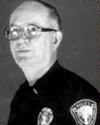
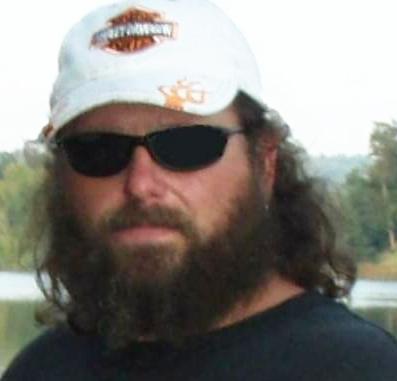
George Arthur Molle Jr., a 90-year-old White/Caucasian man, was killed inside his home in the Kanawha City section of Charleston, West Virginia, on January 3, 2014. Molle, a World War II veteran who had served in the U.S. Army Air Forces, lived along MacCorkle Avenue, a busy Charleston thoroughfare surrounded by regular vehicle and pedestrian traffic.
His violent death initially left investigators with few obvious answers and unsettled neighbors who had considered the area safe.
Molle's body was discovered the following day after a concerned neighbor realized that he had not been seen and contacted authorities. Charleston police entered the residence and quickly determined that the circumstances were suspicious. Detectives described the death as a homicide and initially called the case mysterious while awaiting additional information from the investigation and autopsy. The condition of the home and Molle's injuries indicated that a violent confrontation had taken place rather than a sudden natural death or accident.
Investigators found evidence that Molle had attempted to defend himself. According to the criminal complaint later filed in the case, he had marks on his neck consistent with strangulation, puncture wounds to his head and defensive injuries showing that he had fought against his attacker. Police also recovered a bloody hammer at the residence. What had begun as a puzzling homicide investigation increasingly appeared to have been an extraordinarily brutal attack against an elderly homeowner.
Detectives soon began focusing on Anthony Caldwell, a Charleston resident who knew Molle and had previously performed yard work and other odd jobs for him. Investigators were able to trace Caldwell's movements through surveillance footage, including video from a bank near Molle's residence and additional cameras elsewhere in Kanawha City. The recordings helped police connect Caldwell to the area surrounding Molle's home during the period investigators were examining.
On January 8, only days after Molle's body was discovered, Charleston police arrested Caldwell and charged him with murder. Reports at the time indicated that Caldwell confessed to killing Molle. As officers escorted him to magistrate court, Caldwell publicly expressed remorse, apologizing for the lives his actions had affected. He was subsequently jailed without bond while the murder case proceeded through the Kanawha County court system.
As investigators and prosecutors developed the case, a motive emerged that made the killing particularly disturbing. Caldwell said he was desperate for money because he needed to pay bills. He had gone to the home of a man who already knew him through the work he had performed there, attacked Molle with a hammer and then stole relatively small amounts of money. Caldwell later acknowledged taking a cigar box containing cash and a container of coins after the attack. What police initially described as a mysterious killing was ultimately treated as a murder committed in connection with a robbery.
Caldwell's case was scheduled to go to trial in July 2014, but a trial became unnecessary when he entered a guilty plea. On July 21, he pleaded guilty to first-degree murder and admitted using the hammer to kill Molle. Under the plea agreement, additional charges that included robbery, burglary and breaking and entering were dismissed. Molle's family agreed with prosecutors on the terms of the plea arrangement, leaving the major remaining question for the court to decide at sentencing: whether Caldwell would ever have an opportunity for parole.
During Caldwell's sentencing proceedings, his defense sought mercy, which under West Virginia law would have made him eligible to seek parole after serving the required period of imprisonment. His attorney argued that Caldwell might have experienced what was described as pathological intoxication for a brief period during the attack. Kanawha County Circuit Judge Jennifer Bailey was not persuaded that the argument adequately explained what happened. The judge pointed to the extent of Molle's injuries and concluded that the sustained violence inflicted upon him could not reasonably have occurred during the extremely brief period suggested by the defense.
Caldwell apologized to Molle's family during the sentencing hearing, but the court declined to extend mercy. On October 1, 2014, he was sentenced to spend the remainder of his life in prison for first-degree murder, without the opportunity for parole that a sentence with mercy would have provided. The sentence brought the criminal prosecution to a close less than a year after Molle was found inside his Kanawha City home. What initially appeared to investigators as an unexplained and mysterious killing ultimately ended with the arrest, confession, guilty plea and life imprisonment of a man Molle had known and previously trusted to perform work around his property.