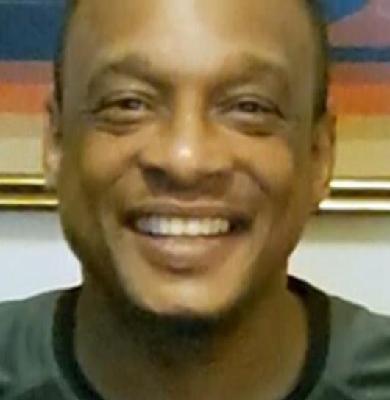
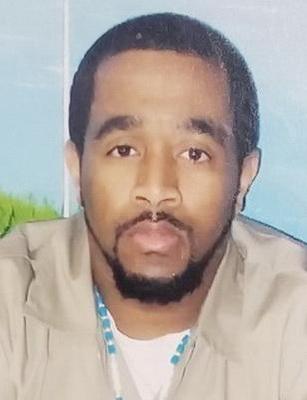
Garrett Ray Hatten was a 19-year-old White/Caucasian male from Huntington, West Virginia, whose life ended in a fatal shooting outside his home late on June 23, 2014. Hatten had been born June 14, 1994, in Chapel Hill, North Carolina, and had recently graduated from Huntington High School in the class of 2014. His obituary described a young man surrounded by family and friends, including his younger brother, his girlfriend, and an unborn child who was expected that September. What should have been the beginning of his adult life instead ended only nine days after his nineteenth birthday.
Shortly after 11 p.m. on June 23, police and emergency personnel were sent to 1005 Jackson Avenue in Huntington. The initial call reportedly concerned a possible domestic disturbance, but while officers were on their way it was upgraded to a shooting. Investigators said several people had arrived at Hatten's residence and an altercation developed on the side lawn.
During that confrontation, Hatten was shot once in the chest. He died at the scene. Those who had come to the residence fled in two vehicles before officers arrived. The shooting occurred only about an hour after another man, Eugene Scott Walmsley, was killed elsewhere in Huntington, but police emphasized that the two homicides were unrelated.
Investigators soon focused on Dylan Stone, who was also 19 at the time. On the afternoon of June 24, members of the CUFFED Task Force located Stone near 21st Street and 7th Avenue in Huntington and arrested him without incident. He was charged with murder. Police said their investigation indicated that Stone had been among the people who went to Hatten's home and that the fatal shooting occurred during the confrontation there. Early reports described the dispute as drug-related, and subsequent court testimony provided a more specific account of what investigators believed had led to the violence.
At Stone's preliminary hearing in July 2014, witnesses testified that the confrontation stemmed from a disputed $28 drug transaction that had occurred earlier that day. The defense maintained that the shooting was accidental, but testimony presented by the prosecution portrayed it differently. Witness Amanda Saunders described seeing Stone with a firearm during the confrontation and testified that he placed it against Hatten's chest before it discharged. Other testimony alleged that after the shooting Stone asked acquaintances to clean blood from his clothing and the weapon. The evidence presented at that hearing was sufficient for the murder prosecution to continue.
The case remained in the Cabell County court system through 2015. In January of that year, prosecutors sought permission to obtain a DNA sample from Stone. His defense opposed the request, but Judge Alfred Ferguson authorized investigators to take the DNA swab. At that stage Stone continued to face a first-degree murder charge, and the case appeared headed toward further court proceedings, although no trial date had yet been established.
Ultimately, the case was resolved through a plea agreement rather than a jury trial. On January 26, 2016, Stone pleaded guilty to second-degree murder in Garrett's death, reducing the original first-degree murder charge while still formally accepting criminal responsibility for the killing. The plea came approximately a year and a half after the shooting and brought the question of guilt to an end, leaving the court to determine the length of his imprisonment.
On March 11, 2016, Stone returned to Cabell County court for sentencing. The judge imposed the maximum sentence available under the plea agreement: 30 years in prison. Before being sentenced, Stone turned toward Garrett's family and apologized for what had happened. Garrett's mother and girlfriend also addressed the court, speaking emotionally about the lasting impact of his death. When the 30-year sentence was announced, applause reportedly broke out in the courtroom.
Garrett's death left behind far more than a criminal case. He had graduated from high school only shortly before he was killed and was preparing for the birth of his child. His family remembered his particularly close relationship with his younger brother, while friends left messages describing how deeply his absence continued to affect them. A confrontation over what court testimony characterized as a $28 dispute escalated into a killing that permanently changed several families. Stone's arrest the day after the shooting, his eventual guilty plea to second-degree murder, and the 30-year prison sentence provided a measure of legal accountability, but they could not restore the future Garrett and those who loved him lost on the night of June 23, 2014.