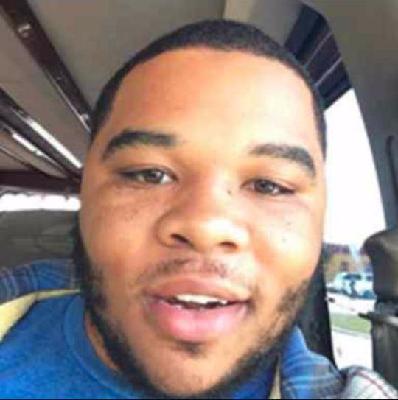
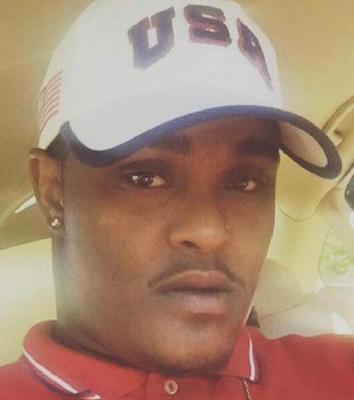
Morrell Deshawn Paschall was a 21-year-old Black/African American man whose death was discovered on June 19, 2016, inside a residence in Huntington, West Virginia’s Guyandotte neighborhood. Emergency responders were originally sent to the home near Richmond Street and Fifth Avenue shortly after noon for what had been reported as a possible heart attack. Firefighters from a station across the street entered the residence, but the scene quickly took on a very different character.
They found Paschall dead, along with a gun and what police described as a large amount of blood near the body, and immediately summoned Huntington police. Investigators began treating the death as a possible homicide and started questioning people connected to the residence. At that early stage, police said there had been no arrest, although one person who had been inside the home was taken into custody; authorities did not initially say whether that individual was considered a person of interest.
As detectives reconstructed what happened, the killing became tied to a complicated domestic situation. Later reporting from the murder trial showed that Paschall had recently rekindled a relationship with a woman and that the night of the shooting was the first time he had stayed at her home since the two got back together. They reportedly argued that night and went to sleep in separate rooms. The woman would later testify that she slept through the gunfire and, after discovering Paschall, waited about 15 minutes before calling 911. Investigators also found gunshot residue on her hand, although they said it could have been transferred when she turned Paschall's body over. Court testimony further revealed that she had previously obtained a protective order against Paschall because of earlier violence in their relationship, though she testified that she held no ill will toward him.
Within days of the killing, the investigation focused on Joshua Dwayne Plante, who was arrested in connection with Paschall's death. Contemporary reporting described Plante as facing first- and second-degree murder charges and said police believed the shooting was connected to a domestic situation. Later court proceedings showed that Plante and the woman at the center of the case had also been romantically involved, giving prosecutors a potential motive for the confrontation. The criminal case ultimately included a murder count as well as a separate charge of possession with intent to deliver heroin, and the homicide and drug allegations were separated for trial.
At Plante's eventual murder trial, prosecutors presented a largely circumstantial case linking him to the residence at the time Paschall was killed. They relied on surveillance footage that showed Plante leaving his own home shortly before a hooded figure was seen entering the woman's home; the figure was later seen leaving, and Plante's vehicle subsequently returned to his residence. Prosecutors also said the firearm believed to have been used in the killing was found beneath Plante's mattress. Cellphone location information placed him near the woman's residence around the time of the shooting, and investigators testified that he repeatedly searched online for information about the shooting later that day. The defense challenged those links, emphasizing that investigators had not recovered evidence containing Plante's DNA from the crime scene, including from a jacket prosecutors contended he had left behind. Defense attorney Glen Conway also raised questions about the woman's account, including the gunshot residue on her hand, her claim that she slept through the gunfire, and the delay before authorities were called.
The legal proceedings stretched on for years. Plante's separate drug case went to trial first, and he was convicted of possession with intent to deliver heroin after authorities found approximately three grams of heroin when he was arrested. Because of his previous felony record, prosecutors used West Virginia's recidivist law to obtain a life sentence on that drug conviction, with parole eligibility after 15 years. That sentence was separate from Paschall's killing. In December 2019, after hearing the prosecution's evidence and the defense challenge to the state's theory, a jury acquitted Plante of murder. The verdict meant that although Plante had been the person arrested, prosecuted, and publicly identified as the principal suspect in Paschall's death, he was not convicted of killing Paschall; the life sentence he continued serving resulted from the unrelated drug prosecution and repeat-offender enhancement, not from the homicide.