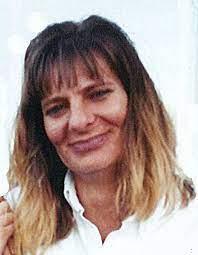
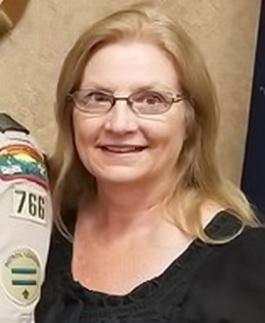
LuElla Koopman, 52, a White/Caucasian female, left workaday routines behind on a Friday evening and turned into the lot outside the Cedar Rapids condominium where she’d recently made a new start. Before she could step away from the driver’s seat, a familiar vehicle nosed in to trap her car. What followed ended with the crack of rifle fire and a silence that told neighbors and first responders the worst had happened.
By night’s end, LuElla lay dead from gunshot wounds, and the man police identified as her estranged husband, Dennis Lee Koopman, 54, had taken his own life at the scene. Obituary notices published the next day fixed her date of death as Friday, February 21, 2014, and placed her services at Brosh Chapel later that week, while parallel notices for Dennis confirmed he died the same day in Cedar Rapids.
Investigators described what witnesses and evidence suggested: Dennis had used his vehicle to block LuElla’s in the parking area outside her home, stepped out, and opened fire with a rifle before turning the weapon on himself. State domestic-violence fatality records later summarized the case as a murder-suicide arising from a separation and pending divorce, noting that he followed her to the apartment complex and that the shooting happened in front of her residence. Advocacy summaries that compiled police accounts specified the weapon as an AR-15–style rifle and echoed the blocking maneuver that trapped her car.
There were no arrests. Police identified the suspect as Dennis Lee Koopman, deceased at the scene, and closed the case as a murder-suicide. Memorial listings that circulated in the months and years after marked LuElla as “lost to gun violence” in Cedar Rapids on that winter weekend, but the contemporaneous obituary record—naming her, listing her family, and setting her funeral—anchors the timeline to Friday, February 21, 2014.
In the days that followed, family and friends gathered under the chapel lights to say goodbye, while public records and advocacy compendiums filed away the sterile descriptors of a domestic-violence killing. The entries are spare—names, dates, a parking lot, a rifle—but together they trace the last hour of a woman who had been a daughter and sister, a mother and grandmother, now remembered in notices and grave records, and in a police narrative that left no suspect to arraign, only a community to absorb the loss.