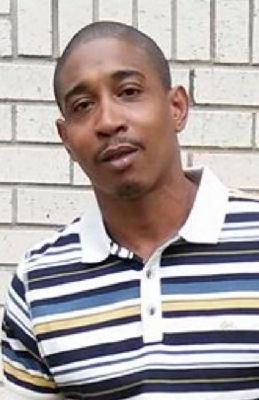
On April 7, 2016, Deandre Trotter, aged 24, was shot and killed in a tragic incident in Chicago, Illinois. The shooting took place in the Humboldt Park neighborhood during the afternoon on the 3400 block of West Chicago Avenue. Trotter and another individual, Deangelo Black, were both struck by gunfire in what was described as a targeted attack. Unfortunately, Trotter succumbed to his injuries, and Black, aged 18, also lost his life in the same incident.
The shooting involving Trotter and Black was part of a series of violent episodes that plagued Chicago during 2016, a year that experienced a sharp increase in homicide rates. This particular incident reflected the pervasive problem of gang-related violence and the easy availability of firearms in neighborhoods like Humboldt Park. At the time, the city's overall response to these issues involved ramping up police efforts and attempting to rebuild trust between law enforcement and local communities, particularly following a decline in proactive policing tactics, such as stop-and-frisk, which had been limited due to policy shifts influenced by civil rights concerns.
The rise in homicides in Chicago in 2016, which affected individuals like Trotter, was partially attributed to changes in policing strategies, including a significant reduction in the use of stop-and-frisk tactics following an ACLU consent decree. While some experts argued that reducing these practices contributed to the increase in gun violence, others pointed to deeper issues such as the cessation of funding for violence prevention programs like Cure Violence, which left a gap in local community interventions aimed at reducing street-level conflicts. These systemic issues created an environment where individuals like Deandre Trotter were at greater risk, and the tragic events of April 7 were emblematic of the ongoing struggles faced by many neighborhoods in Chicago.