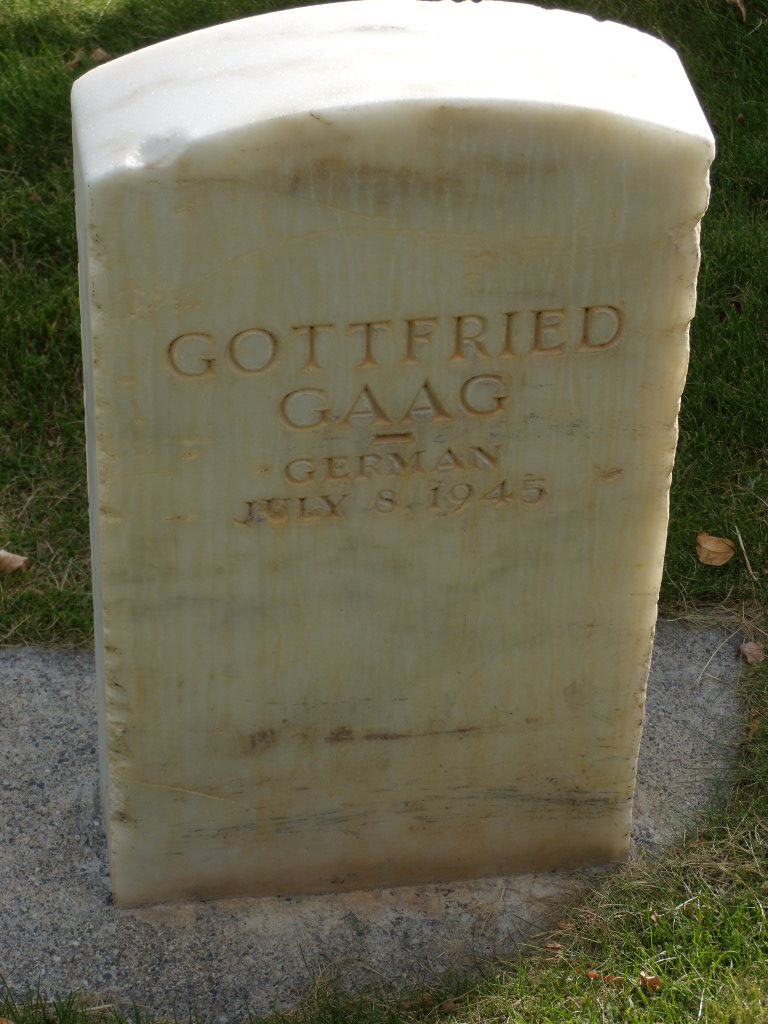
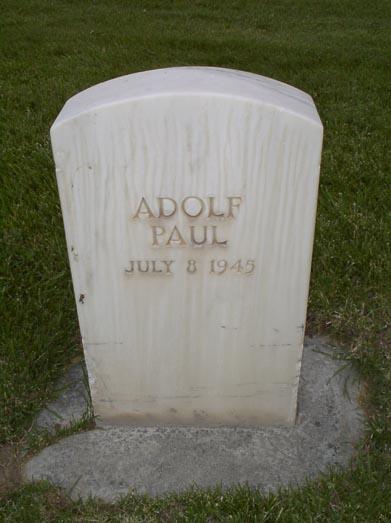
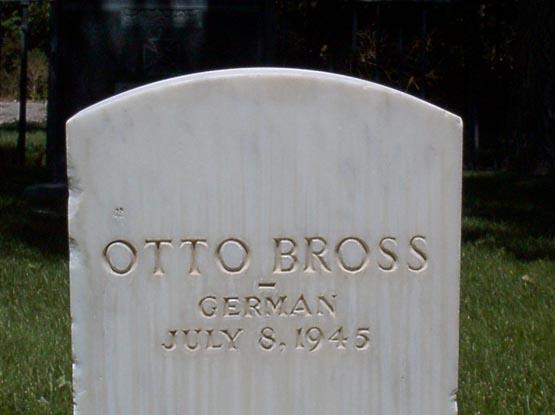
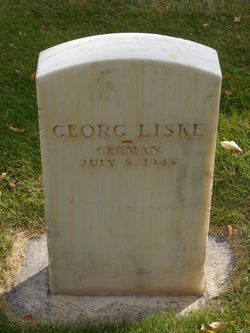
In the quiet, early morning hours of July 8, 1945, a tragedy unfolded at a prisoner of war camp in Salina, Utah, forever altering the lives of many. Among the victims of this shocking event was Walter Vogel, a 32-year-old man. Originally from Rossach, Franconia, Germany, where he was born on December 17, 1912, Vogel had served in the German military during World War II. He was married to a woman named Emma.
After his capture by Allied forces, he was transported to the United States and interned at Camp Salina, a facility that housed approximately 250 German soldiers, many of whom had been part of Erwin Rommel's renowned Afrikakorps.
The night of Vogel's death began with a disturbing prelude. A 23-year-old American guard at the camp, Private Clarence V. Bertucci, had been drinking. Upon returning to his post, he ascended a guard tower and, without provocation, aimed a. 30-caliber M1917 Browning machine gun at the tents where the German prisoners were sleeping. In a terrifying span of about fifteen seconds, Bertucci fired approximately 250 rounds, riddling thirty of the forty-three tents with bullets. The sudden and violent assault left a scene of carnage, with Walter Vogel among the nine prisoners who lost their lives in the unprovoked attack. Nineteen other prisoners were wounded.
In the immediate aftermath of the massacre, Private Bertucci was taken into custody without resistance. When questioned, he reportedly showed no remorse for his actions, stating that he "just didn't like Germans." An investigation into his background revealed a history of disciplinary issues and previous court-martials. Following psychiatric evaluations, Bertucci was declared to be mentally unbalanced. This determination led to his commitment to a mental institution, and as a result, he did not face a court-martial or a criminal trial for the killings. The nine slain prisoners, including Walter Vogel, were later buried with full military honors at the Fort Douglas Cemetery in Salt Lake City, Utah, in a ceremony that stood in stark contrast to the violence of their deaths.