In the quiet, early hours of July 8, 1945, a tragedy unfolded in the small town of Salina, Utah, forever marking it as the site of the largest massacre of German prisoners of war on American soil during World War II. Among the victims was Gottfried Gaag, a 29-year-old German prisoner of war. The war in Europe had been over for two months, and the German soldiers held at the Salina camp were awaiting their eventual repatriation.
On that fateful night, an American guard, Private Clarence
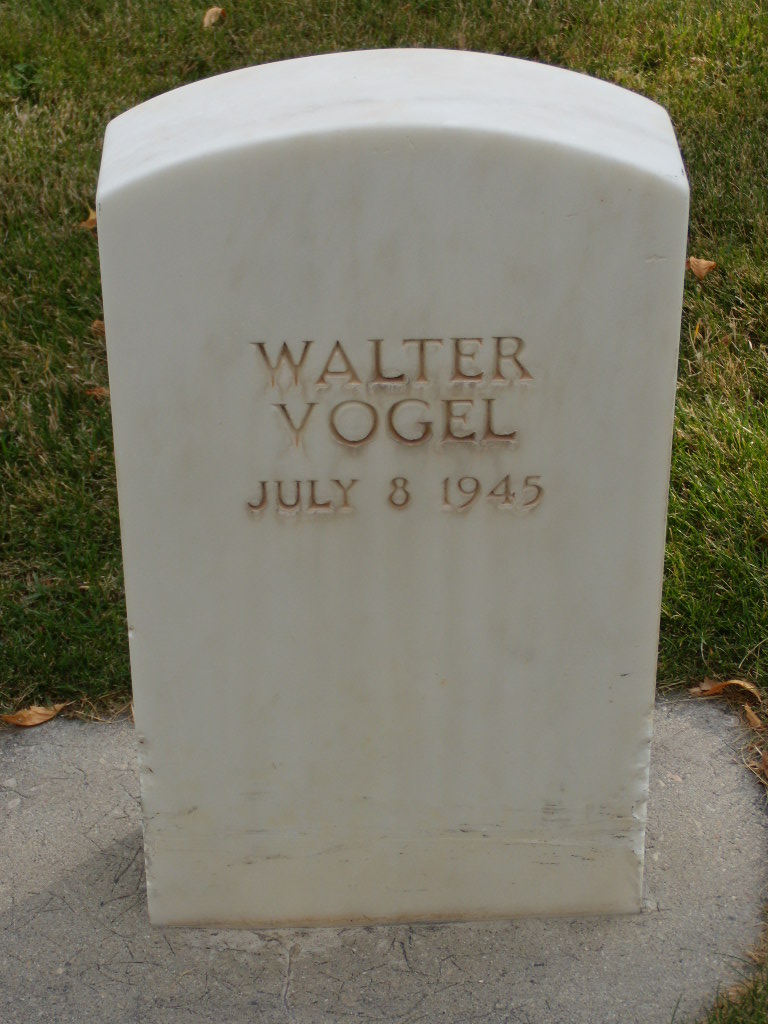
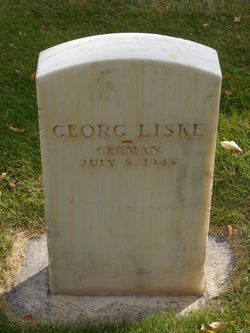
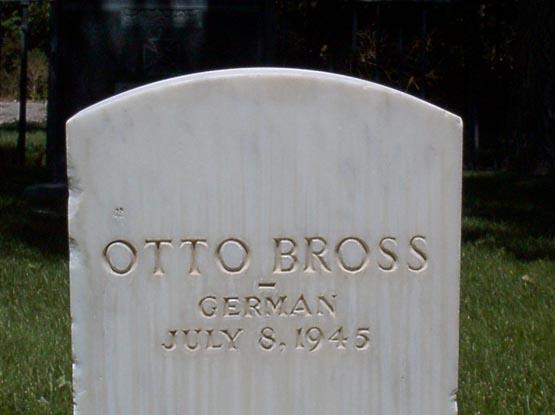
V. Bertucci, ascended a guard tower overlooking the tents where 250 German prisoners were sleeping. Shortly after midnight, Bertucci opened fire with a. 30-caliber machine gun, spraying the canvas tents with bullets. In the ensuing chaos, nine German prisoners were killed and another nineteen were wounded. Gottfried Gaag was one of the men who lost his life in the unprovoked attack.
The lone suspect in the shooting was Private Bertucci. After the massacre, he was taken into custody with minimal resistance. When questioned, Bertucci reportedly expressed a deep-seated hatred for Germans as his motive for the killings. An investigation into his background revealed that he had a history of disciplinary issues within the military.
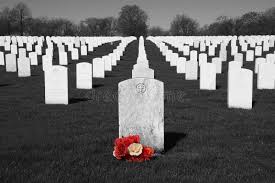
Following a psychiatric evaluation, military authorities declared Clarence V. Bertucci to be mentally unstable. Consequently, he was not court-martialed for his actions but was instead sent to a military psychiatric hospital. The victims of the massacre, including Gottfried Gaag, were buried with full military honors at the Fort Douglas Cemetery in Salt Lake City. The wounded prisoners were treated for their injuries and were eventually sent back to Germany.