In the quiet, early hours of July 8, 1945, a tragic and unexpected event unfolded in the small town of Salina, Utah, forever marking it in history. Among the victims of this senseless act was Otto Bross, a 25-year-old German man. His life was cut short in a place far from his homeland, a prisoner of war camp that was supposed to be a place of safety until the turmoil of World War II had fully subsided.
The night was shattered by the sound of gunfire, a brutal interruption of the peace that was meant to follow the war's end in Europe.
The person responsible for the death of Otto Bross and eight of his fellow prisoners was an American private, Clarence V. Bertucci. He was on guard duty that fateful night, a position of trust that he would horrifically betray. After an evening spent out, Bertucci returned to his post in the guard tower overlooking the sleeping prisoners. For reasons that would later be attributed to a deep-seated hatred, he loaded the. 30-caliber M1917 Browning machine gun and unleashed a torrent of bullets into the tents below. The unsuspecting men inside had no chance to defend themselves.
In the immediate aftermath of the horrific event, the camp was a scene of chaos and devastation. Six of the German prisoners were killed instantly, while others, including Otto Bross, succumbed to their injuries later in a Salina hospital. Nineteen other prisoners were wounded in the indiscriminate attack. The man behind the massacre, Clarence V. Bertucci, was taken into custody with little resistance. His motive, as he would later state, was simple and chilling: he hated Germans, so he killed Germans.
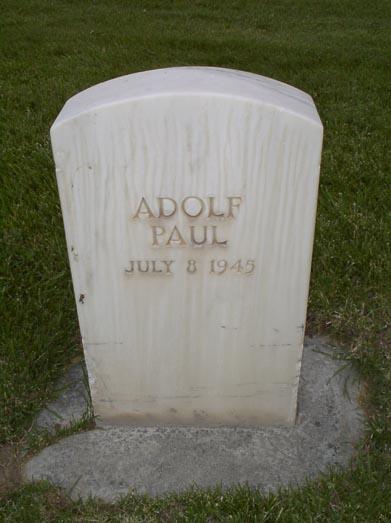
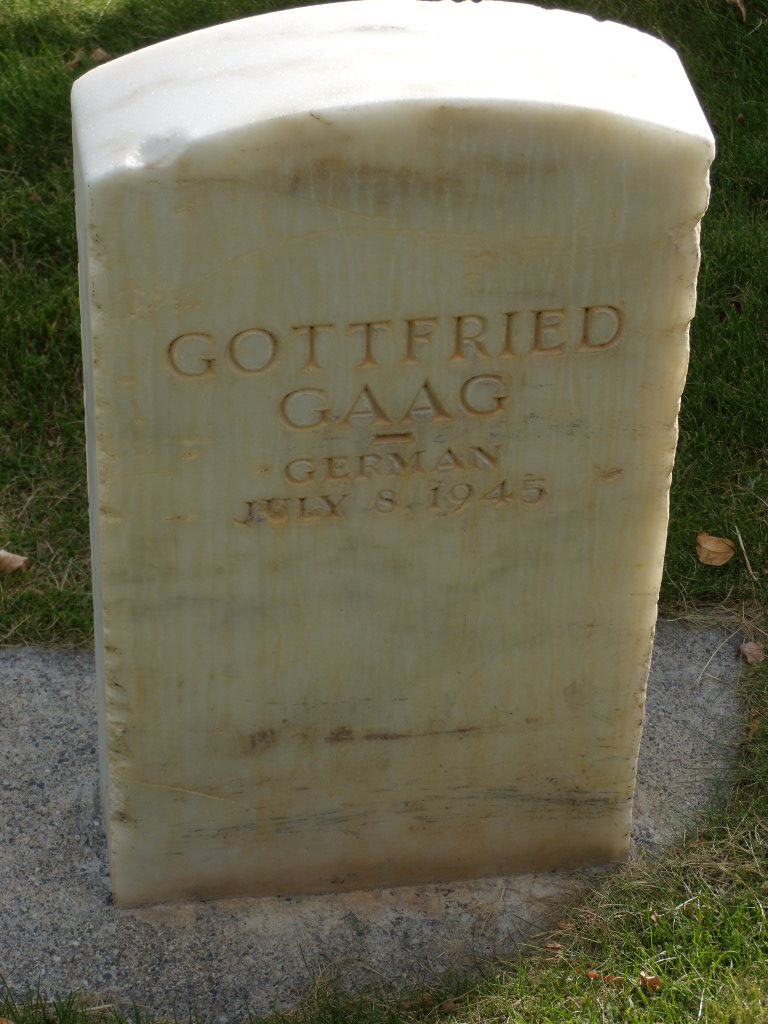
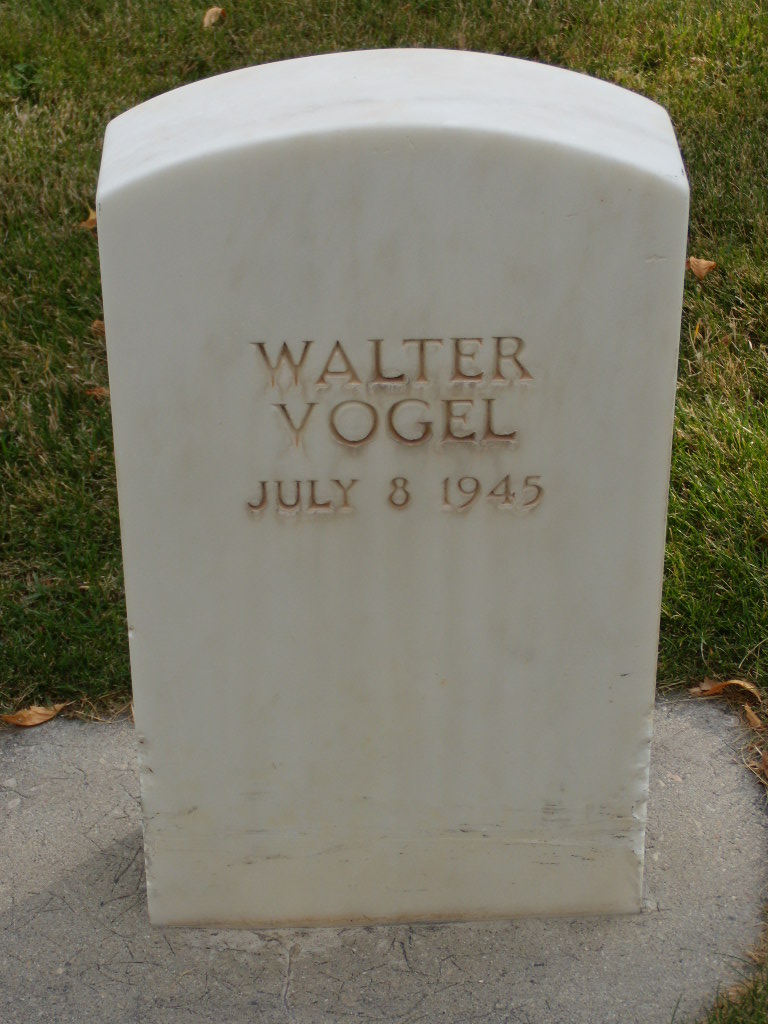
An investigation into Bertucci's actions and state of mind followed. After a period of evaluation, military doctors determined that he was "mentally unbalanced." Consequently, a court-martial was forgone in favor of committing him to a hospital in New York for an undisclosed period. The victims of what came to be known as the "Midnight Massacre," including Otto Bross, were buried with full military honors at the Fort Douglas Cemetery. The wounded were eventually repatriated to Germany once they were well enough to travel. The event remains a dark chapter in American history, a stark reminder of the lingering animosities of war and their devastating consequences.