In the quiet, early hours of July 8, 1945, a tragedy unfolded at a prisoner-of-war camp in Salina, Utah, forever marking the small town's history. Among the victims of this sudden eruption of violence was Adolf Paul, a 28-year-old German sergeant. He was one of approximately 250 German prisoners housed at the camp, many of whom were assigned to help with local agricultural labor as World War II had drawn to a close in Europe.
The prisoners were asleep in their tents under the vast Utah sky, unaware of the deadly intent brewing in the mind of one of their guards.
The stillness of the night was shattered around midnight by the relentless chatter of a. 30-caliber machine gun. From a guard tower, Private Clarence V. Bertucci, a 23-year-old American soldier, opened fire on the sleeping men below. Bertucci, who had reportedly expressed a deep-seated hatred for Germans, had been drinking earlier that evening. After returning for his guard duty, he methodically sprayed 250 rounds into the prisoner's tents. The attack lasted only about fifteen seconds, but in that brief span, chaos and bloodshed reigned.
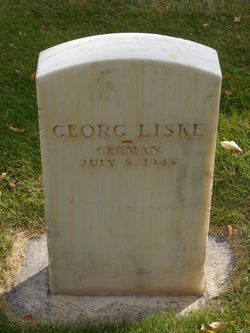
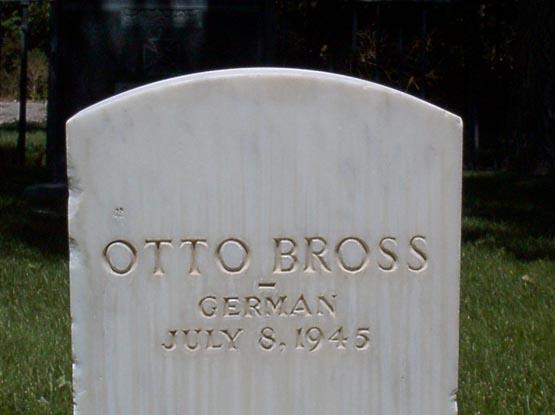
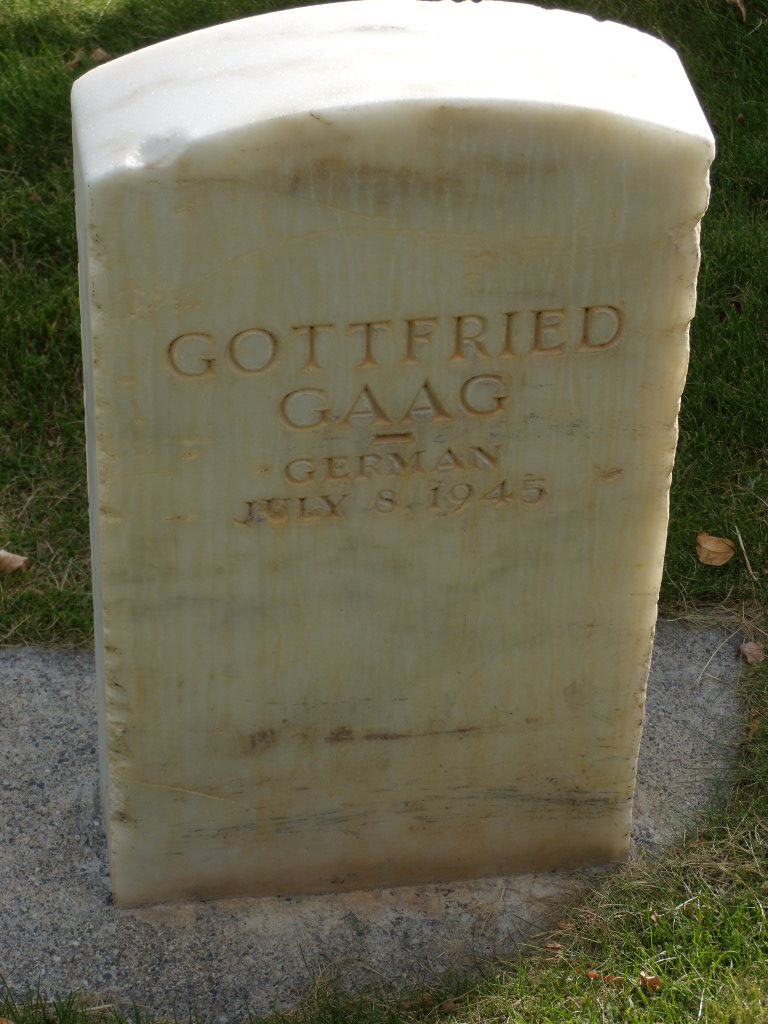
When the shooting stopped, other American soldiers subdued Bertucci as he was attempting to reload. In the aftermath, the scene was grim. Six prisoners were killed instantly, and many others were wounded. Adolf Paul was among those who succumbed to his injuries that day. In total, nine German prisoners of war lost their lives in what became known as the Salina Massacre, the deadliest such event at a POW camp in the United States during World War II. Nineteen other prisoners were wounded in the attack.
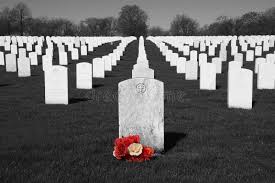
The lone suspect, Clarence V. Bertucci, was immediately taken into custody. During questioning, he reportedly stated his simple and chilling motive: he hated Germans and wanted to kill them. Despite the clarity of his actions and his stated intent, Bertucci would never face a court-martial. He was evaluated and declared "mentally unbalanced." Consequently, he was sent to a psychiatric hospital in New York, where he remained for an undisclosed period before eventually being released. The victims of the massacre, including Adolf Paul, were buried with military honors at the Fort Douglas Cemetery in Salt Lake City.