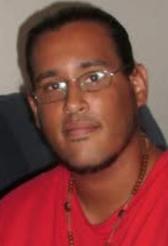
Javier Flores, a 27-year-old Hispanic male, was fatally shot on the evening of July 12, 2021, in Bridgeport, Connecticut. The incident occurred at approximately 11:30 p.m. on Gregory Street, where responding police officers discovered a white Honda sedan riddled with bullet holes. Inside the vehicle, a woman was in the front passenger seat, holding Flores, who had sustained a gunshot wound to the head. He was rushed to Bridgeport Hospital but was pronounced dead shortly after his arrival.
At the time of his death, Flores was a father of six from the nearby city of Ansonia. His mother later noted that he was killed on her birthday.
The investigation into the shooting led detectives to review surveillance footage from the area. The footage revealed a white Chevrolet approaching Flores' Honda, followed by multiple muzzle flashes from the driver's side of the Chevrolet before it sped away from the scene. Investigators were able to track the Chevrolet's route to Dewey Street, where they located the vehicle and placed it under surveillance. This crucial piece of evidence would soon lead to a significant breakthrough in the case.
On July 15, 2021, just three days after the fatal shooting, officers observed 25-year-old Dondre Nesmith entering the suspect vehicle and took him into custody. During a recorded interview with detectives, Nesmith confessed to shooting Javier Flores. He claimed the act was in retaliation for a prior incident where he alleged Flores and another individual had robbed him and forced him to strip naked. Nesmith stated that on the night of the shooting, he saw Flores in the Honda on Gregory Street and fired multiple shots into the car, assuming the occupants were armed.
Following his confession, Dondre Nesmith was charged with murder and held on a $1 million bond. On April 4, 2024, he pleaded guilty to the murder of Javier Flores. During the legal proceedings, reports on Nesmith's cognitive state were considered. On June 6, 2024, a Superior Court Judge sentenced Nesmith to 30 years in prison, to be followed by a period of special parole. At his sentencing, Nesmith expressed remorse for his actions, acknowledging the pain he had caused to the victim's family and accepting full responsibility.