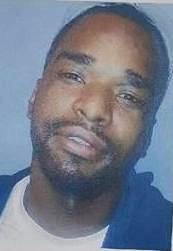
Stanley Easley, a 36-year-old man, was fatally shot on September 18, 2016, in the Washington Park neighborhood of Chicago. His death was part of the wave of violence that marked Chicago during that year, a period when the city faced a significant spike in homicides. In 2016, the city experienced over 760 homicides, a sharp increase compared to previous years, largely attributed to rising gun violence and increased gang conflicts in many parts of the city.
Washington Park, where Easley's homicide occurred, has historically been one of the neighborhoods grappling with higher crime rates, often related to socio-economic challenges and gang activities.
Stanley's death was noted in the National Gun Violence Memorial, highlighting the fact that he was one of many victims of gun violence across the United States that day. This tragic event reflected the broader gun violence crisis in Chicago, where incidents involving firearms accounted for the vast majority of homicides in 2016. Despite the city’s efforts to control violence through community policing initiatives and other preventive measures, areas like Washington Park continued to be deeply affected by ongoing cycles of violence, underscoring the complexity of addressing such entrenched social issues.
The increase in homicides that year was unexpected and sudden, marking a turning point in Chicago’s crime trends. The city had been attempting to tackle issues related to policing practices, gun control, and community relations, but the rise in violence showed that much more work was needed to stabilize neighborhoods like Washington Park. The homicide of Stanley Easley stands as a painful reminder of the challenges that communities face in the fight against urban violence and the pressing need for comprehensive, community-focused solutions.