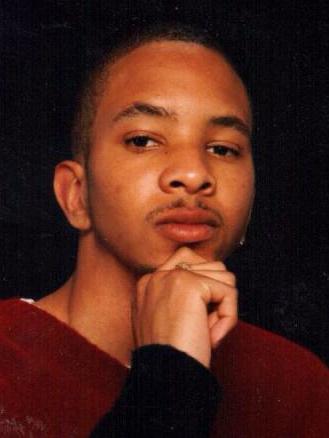
Gregory J. Smith, a 25-year-old Black / African American man from Little Rock, Arkansas, died after being shot on December 30, 2011, a loss that moved quietly through local news and memorial pages rather than national headlines. He was remembered on a national gun violence memorial as one of many lives cut short that day, his name placed alongside the date and the city where his life ended, with visitors invited to light virtual candles and leave messages in his honor.
An obituary published shortly afterward described Gregory as a young man deeply rooted in family. It noted that he left behind parents in both the Shelton and Smith families, several siblings, and two young children who would grow up with memories and stories instead of his presence. The obituary also recorded how relatives and friends gathered for a family hour at a Little Rock funeral home and later for a homegoing service at First Baptist Church in nearby Higgins, Arkansas, a traditional service that framed his death in the language of faith and farewell even as questions about how he died remained.
In the immediate aftermath of his death, police in Little Rock opened an investigation into what had happened on that December day. A case summary later compiled online recounts that Gregory was found deceased in the city and that detectives began the methodical work of retracing his final hours. They interviewed people who might have seen him, sought to reconstruct his movements, and collected whatever physical evidence they could find, trying to determine not only how he was killed but whether anyone might come forward with information that could point to those responsible.
Despite that investigation, publicly available records give no indication that a suspect was ever named or that any arrests were made in connection with Gregory’s killing. The case listing that documents his death emphasizes the lack of confirmed information about perpetrators and invites members of the public to share any updates they may have, underscoring how official answers have not been made public even many years later. The same listing, updated as recently as 2025, still treats his death as a matter in need of further information, suggesting that whatever happened on the day he was found remains, at least in the public record, unresolved.
Online, Gregory’s memory endures in small, poignant details: a nickname added to his memorial page, the count of candles lit for him, and brief comments from those who still think about him and reach out across the years through a screen. His story, as it appears on these scattered pages, is that of a young father whose life ended in gunfire, whose family gathered to mourn him in a church south of Little Rock, and whose death remains without a publicly documented resolution, leaving loved ones and strangers alike to wonder who was responsible and whether justice will ever catch up to his name.