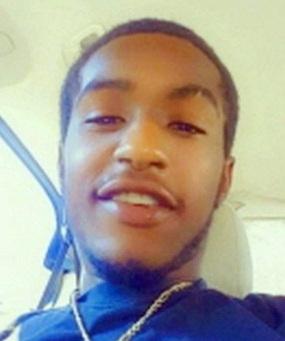
In the spring of 2015, the life of Owen Damar Harvey was tragically cut short in Little Rock, Arkansas. On April 5th, the 29-year-old Black male was found deceased. The circumstances of his death were determined to be the result of gun violence, a fact that has been noted in national memorials dedicated to victims of such acts. His passing left a void in the lives of those who knew him, leaving behind a daughter and a community to mourn his loss.
Following the discovery of his body, the
events surrounding Owen's death became a subject of quiet concern. While the violent nature of his passing was acknowledged, public records and news reports from the time and in the years since have remained sparse on the specific details of an investigation. There is a noticeable absence of information regarding any potential suspects or arrests made in connection with the shooting. This lack of publicly available information has left a lingering question mark over the case, with no clear resolution or justice for Owen and his family being publicly documented.
A legal case that surfaced in the same year involving Owen Damar Harvey, titled Ransom v. Arkansas Department of Human Services, offered no insight into the circumstances of his death. This case was centered on the termination of parental rights and focused on legal procedures rather than the events that led to his untimely end. As a result, the narrative of Owen Damar Harvey's final days remains incomplete, with the search for accountability for his death seemingly unfulfilled in the public domain.