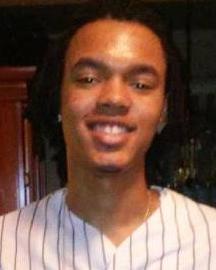
Walter McCurry, aged 36, was one of the victims of a violent and tragic weekend in Chicago that became one of the deadliest weekends of 2016. He was killed on October 30, 2016, during a surge in violence that coincided with Halloween festivities. That weekend alone saw 17 people killed and 41 others wounded, highlighting the challenges that Chicago faced with surging gun violence during that year. McCurry was standing in the street when he was fatally shot, a situation not uncommon in some of Chicago's neighborhoods that were experiencing intense struggles with street violence and gang-related activity.
The context of McCurry's death was part of a broader spike in homicides in Chicago in 2016. The city had been grappling with escalating numbers of homicides, which hit alarming levels during that year, reflecting a crisis that was linked to various socio-economic challenges. In particular, neighborhoods with limited economic opportunities and high gang activity were disproportionately affected. Walter McCurry's death was one of many during a year that saw Chicago's homicide rate peak dramatically, leading to public outcry and renewed efforts to combat violence through increased police presence and community intervention programs.
The homicide dataset maintained by the City of Chicago indicates that incidents such as McCurry's were far from isolated, with a pattern of violence that was affecting primarily underserved communities. Public safety and law enforcement officials struggled to address the root causes of violence, including entrenched poverty, lack of employment opportunities, and limited community support structures. These systemic issues contributed to the tragic circumstances surrounding McCurry's death and others like him, as the city worked to find ways to stem the wave of violence that claimed numerous lives throughout 2016.