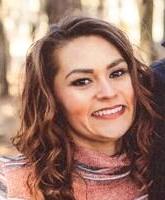
Marchella Modica was a 22-year-old woman from El Dorado, Arkansas, Black / African American, whose life revolved around her young daughter, her extended family, and her anticipation of a son she had already named Jayceon Isiah. She was known by nicknames like “Chelz Chelz,” “Footie,” and “Bull,” and those close to her remembered a confident young mother who worked hard at jobs like Burger King and previously Home Depot, determined to provide for her child.
At church she sang in the choir and took part in youth ministry, and relatives recalled how carefully she dressed, always particular about her hair and nails, a small expression of pride amid the responsibility of parenting. In late January 2020 she was nine months pregnant, with her baby’s due date set for February 14, and she was trying to balance the everyday routines of work, motherhood, and planning for the new life that was almost here.
Everything changed on the morning of January 28, 2020, when schoolchildren riding a bus along a rural road near the small community of Wesson, about fifteen miles outside El Dorado, saw something in a roadside ditch and alerted adults. What they had spotted was Marchella’s body, lying off the shoulder of the road in the cold winter landscape. She had been heavily pregnant when she died, and both she and the unborn Jayceon were gone by the time authorities arrived. Local and national memorial sites later recorded that she had been lost to gun violence, and investigators quickly treated the case as a homicide rather than an accident or medical emergency. Official records and tributes list her death around January 29, 2020, marking the moment when what had been an ordinary workweek for her family turned into a permanent absence.
As news spread through El Dorado and Union County, the story that emerged was of a pregnant mother found dead on the roadside, with her family convinced she had been shot and left there. Local coverage emphasized the brutality of taking the life of a woman so close to giving birth, and relatives spoke about how she had been looking forward to welcoming her son. At vigils and memorial gatherings, family and friends tried to reclaim the narrative from the horror of the crime, focusing on her warmth and the love she had for her children instead of the violence that ended her life. At one remembrance, her little girl told her mother, “I love you,” a small, devastating sentence that captured how abruptly Marchella had been torn out of her daughter’s world. Candles, balloons, and prayers filled spaces that just days earlier had held her laughter and plans for the future.
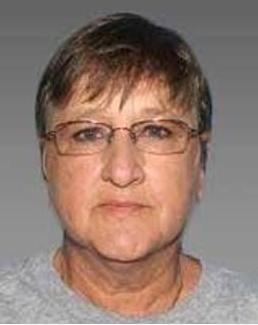
Behind the scenes, detectives from Union County and other agencies began piecing together what had happened to her in the hours before her body was found. Tips and investigative work led them to focus on a man from El Dorado named Jay Reginald “Jay” Moody, then 29 years old. In mid-February 2020, authorities announced that an arrest had been made in the Wesson murder case: Moody was taken into custody and held at the Union County Detention Center on two counts of capital murder, charges that reflected both Marchella’s death and that of her unborn son. Public statements described him as being accused specifically of murdering Marchella and Jayceon, and prosecutors initially signaled their intent to pursue the death penalty, underscoring how seriously the state viewed the killing of a pregnant woman and her child.
Over the next year and a half, the case moved slowly through the courts while her family tried to navigate birthdays, holidays, and everyday life without her. In July 2021, rather than face trial on capital murder charges, Moody accepted a plea agreement. According to later summaries of the case, he pleaded guilty to two counts of first-degree murder, along with an additional firearm-related enhancement, replacing the original capital counts and ending the possibility of a death sentence. For Marchella’s loved ones, the plea did not restore what they had lost, but it did bring a measure of legal finality: the man accused of taking her and Jayceon’s lives had admitted responsibility and would spend years in prison for it. What remains in public view today are not just the formal records of her killing and his conviction, but the photographs, candles, and written tributes that describe a loving, hard-working young mother whose life and unborn child were stolen on a winter morning by gunfire she never saw coming.