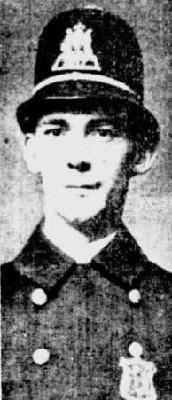
On a February evening in Philadelphia, 31-year-old Temple University Police Sergeant Christopher Fitzgerald was patrolling an area near campus that had been plagued by recent robberies. He observed three individuals dressed in black, their faces obscured by masks, and decided to investigate. As he got out of his vehicle, the three fled, prompting the officer to pursue one of them on foot. The chase ended in a struggle in the 1700 block of West Montgomery Street.
During the confrontation, the suspect, then 18-year-old Miles Pfeffer, pulled out a handgun and shot Sergeant Fitzgerald multiple times.
After the officer fell to the ground, Pfeffer stood over him and fired several more shots into his head and torso. He then attempted to steal the fallen officer's service weapon and went through his pockets before fleeing the scene. A short distance away, Pfeffer carjacked a vehicle at gunpoint to make his escape. Sergeant Fitzgerald, a married father of four children, was transported to Temple University Hospital, where he succumbed to his wounds. He was the first Temple University police officer to be killed in the line of duty and was posthumously promoted to the rank of Sergeant.
The investigation moved swiftly. Two other youths who had been with Pfeffer were quickly apprehended and provided information that led authorities to the suspect. Early the next morning, a team of U.S. Marshals arrested Miles Pfeffer at his family's home in Buckingham Township, Bucks County. In a poignant detail, the arresting officers used Sergeant Fitzgerald's own handcuffs to take him into custody.
In June 2025, Miles Pfeffer stood trial for the murder. His defense attorneys argued that the teenager acted out of fear, but the prosecution presented a compelling case, including surveillance video of the incident. After a trial that lasted less than a week, the jury deliberated for under 30 minutes before finding Pfeffer guilty on all charges, including first-degree murder of a law enforcement officer, robbery, carjacking, and various weapons offenses. The judge sentenced him to life in prison without the possibility of parole, with an additional sentence of more than 22 years for the other crimes.