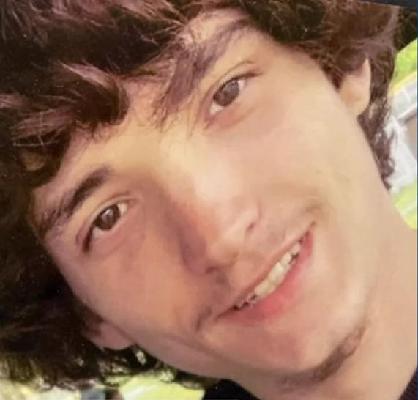
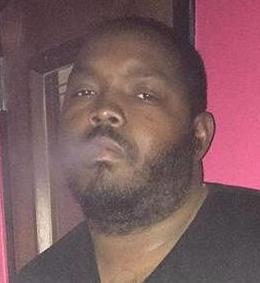
Jefferson Shackford, a 39-year-old Black / African American man, was killed late on April 14, 2024, near City Avenue and Cardinal Avenue in Lower Merion Township, Pennsylvania, close to Saint Joseph's University. Authorities said Shackford, who was also known by the nickname “Creek” and had been living unhoused in Northwest Philadelphia, was found wounded after a 911 call brought Lower Merion police to the scene.
The caller, Tyreese Quinerley of Philadelphia, told police he had almost struck Shackford with his green Chevrolet Express van and had stopped to help him. An officer identified Quinerley at the scene and allowed him to leave while emergency responders tended to Shackford.
That story began to fall apart as medics prepared Shackford for transport. They discovered gunshot wounds to his side and arm, and Shackford was taken to Lankenau Medical Center, where he was pronounced dead. Lower Merion Township Police and Montgomery County Detectives opened a joint homicide investigation and reviewed surveillance footage and witness accounts from the area. Investigators said the video showed Quinerley's van driving erratically and speeding along City Avenue before stopping at a red light at City and Cardinal avenues around 10:45 p.m. While traffic was stopped, the driver got out, stood near the center of the roadway, and fired two shots into the van.
A few minutes later, according to investigators, surveillance footage showed Quinerley dragging Shackford out of the van and leaving him on the sidewalk. Witnesses described a shooter whose appearance matched Quinerley, and detectives found a cellphone about 30 feet from where Shackford was discovered. Authorities said that phone belonged to Quinerley, and call records showed it had been in contact with the phone recovered from Shackford's body the day before the killing. Quinerley's phone records also showed he spoke with a woman shortly after calling 911; that woman later told investigators that Quinerley and Shackford knew each other from the neighborhood.
The 911 call itself also undermined Quinerley's claim that he did not know Shackford. Investigators said Quinerley referred to Shackford multiple times as “Creek,” the nickname Shackford used. Authorities also noted Shackford had “King Creek” tattooed on his stomach. Those details, along with the video, witness statements, phone evidence, and Quinerley's presence at the scene, led prosecutors to seek charges.
An arrest warrant was issued for Tyreese Quinerley on April 16, 2024, and he surrendered to Lower Merion Township Police and Montgomery County Detectives shortly before 2 p.m. that same day. He was charged with first-degree murder, third-degree murder, prohibited possession of a firearm, possession of an instrument of crime, and related firearm offenses. Early reporting also noted that Quinerley had prior legal issues involving illegal firearm possession and was out on bail at the time of Shackford's killing.
In March 2025, Quinerley was convicted in Montgomery County Court of third-degree murder, possession of a prohibited firearm, and possession of a weapon in connection with Shackford's death. Prosecutors had described the killing as a shooting inside the van followed by an attempt to make the scene look like Quinerley had merely found or nearly struck Shackford. The evidence presented publicly showed that investigators believed Quinerley not only knew Shackford, but called 911 after dragging him from the vehicle and leaving him on the sidewalk.
On June 4, 2025, Quinerley was sentenced in Montgomery County Court to 18 to 40 years in state prison for the killing. The sentence closed the criminal case with a long prison term for the man authorities said shot Shackford, tried to distance himself from the violence with a false explanation, and then was tied back to the crime by surveillance video, eyewitnesses, phone records, and his own words on the emergency call.