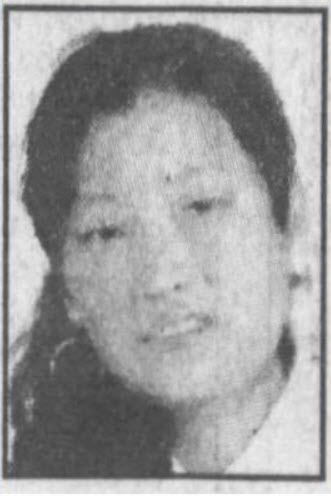
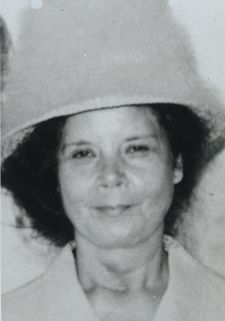
On February 25, 2007, Linda Sue Hannon, a 56-year-old woman, was discovered lifeless near the curve of Kahana Bay on Oahu, Hawaii, close to the Huilua Fishpond. Two men from nearby Kaneohe came across her body that afternoon, lying face down on the beach below a small ledge, partially clothed and clearly the victim of a brutal attack. An autopsy later revealed that she had died from massive blunt force trauma to the head after being severely beaten, and her death was ruled a homicide.

In the days that followed, investigators began tracing her final movements. That same morning she had been seen at a hillside bunker overlooking Kahana Bay, a rough shelter where she was known to stay. She spent much of her time along the windward coast, frequenting the Punaluʻu and Kaʻaʻawa areas and often traveling on a Huffy Stone Mountain bicycle outfitted with a wicker basket, a detail that made her a familiar figure to people who passed through the bay. Records later described her as having ties to Kaneohe on the windward side of Oahu, and public documents list her birth as March 31, 1950, with her life ending on that February day in 2007. 
Despite the openness of the shoreline, the scene itself offered few answers. The location—an exposed beach area near the fishpond—complicated forensic work, with tides, weather, and public access all erasing or obscuring potential evidence. Detectives learned that she had been beaten and possibly sexually assaulted before being left where she was found, yet they were unable to recover the kind of clear forensic trail that might point to a killer. Months after her death, Honolulu police were still appealing to anyone who might have seen her that morning at the bunker or later near the bay, emphasizing that they believed witnesses existed but had not yet come forward. 
Her absence was deeply felt among those who shared the margins of life along Kahana Bay. One of the most vivid glimpses into the aftermath of the crime comes from her boyfriend, John Thoma, who created a makeshift memorial near the fishpond where she died. One night in April 2007, as he grieved at the memorial, Thoma saw a man digging a hole by flashlight in the same general area. Suspicious that the stranger might be connected to the killing, he confronted him, took note of the pickup truck’s license plate by scratching it into the dirt and even etching it into a road stripe, and then notified police. 
That strange encounter ultimately led detectives not to answers in her case, but to a different major investigation. The man digging at the bay was identified as Kirk Matthew Lankford, later accused in the murder of Japanese visitor Masumi Watanabe. Thoma’s careful recording of the license plate helped link Lankford to Watanabe’s disappearance, and Lankford eventually stood trial for that crime. For a time, the overlap in locations and timing sparked speculation that there could be a connection between the two homicides, but detectives publicly stated that they found no evidence tying Lankford to Hannon’s death. 
By the spring of 2008, more than a year after the killing, police acknowledged that her case was one of only two murders from 2007 in Honolulu that remained unsolved. Investigators said they had not received the crucial information needed to identify a suspect, and no arrests had been made. They continued to ask for tips from anyone who had seen her in the hours before she was found, anyone who remembered her distinctive bicycle, or anyone who might have noticed suspicious activity around Kahana Bay on the morning of February 25. Her case remains an open cold case with the Honolulu Police Department, a violent and senseless killing still waiting for the name of the person responsible.