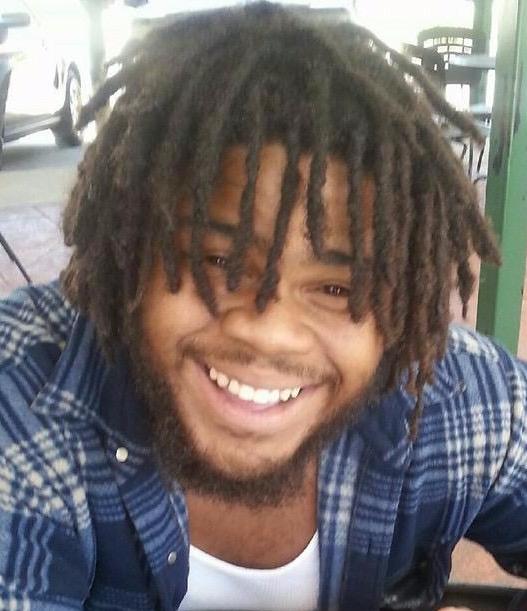
Christopher Brown, a 16-year-old Black male, was known to his Gulfport, Mississippi family as Christopher Nasir Hakeem “Tookie” Brown, a gentle kid with a ready smile, a guitar often in his hands, and a quiet determination to help the people around him. At home and in his extended family circle he was remembered as kind-hearted and deeply connected to his loved ones, a devoted son and stepson, a protective brother and stepbrother, and a grandson whose presence lit up family gatherings.
In his church communities he threw himself into youth activities, finding purpose in faith and fellowship, and his love of music ran through everything he did, from hours spent practicing to the joy he took in discovering new songs.
In the early hours of Monday, June 10, 2024, Gulfport police were called to the 100 block of Darby Street after reports of gunfire shattered the quiet of the night. Officers arrived to find Christopher suffering from a single gunshot wound, gravely injured on a residential street where he should have been safe. He was rushed to a nearby hospital for emergency treatment, but despite those efforts he was later pronounced dead. The Harrison County coroner publicly confirmed his identity and the cause of death that morning, and the news spread quickly through the city and along the Mississippi Coast as another young life lost to gun violence.
As the sun came up that day, the outline of what had happened was still painfully thin. Police said the shooting occurred around 1:28 a.m., and early statements emphasized how little they could yet share: no motive, no public description of a suspect, and, at first, no arrests. The killing unfolded amid a violent stretch in Gulfport, one of several shootings within a roughly 24-hour span that left multiple people wounded and Christopher dead. In other incidents during that period, detectives quickly identified and arrested suspects, but in the case on Darby Street, investigators were left pleading for witnesses and information, urging anyone who knew anything to call the department or the local crime-stoppers line.
While detectives worked in relative silence, Christopher's family began the wrenching work of saying goodbye. An obituary from the funeral home painted a picture of a teenager who loved playing guitar, who was deeply involved in youth ministries at Empowerment Ministries and Faith Baptist Church, and who was surrounded by a large network of parents, stepparents, siblings, cousins, aunts, uncles, and grandparents who adored him. Visitation and services were held on June 19, 2024, at Empowerment Ministries Christian Center in Gulfport, followed by a graveside service at Finley Cemetery. Friends, classmates, and church members gathered to mourn, to share memories of his kindness and humor, and to try to make sense of a loss that felt senseless.
In the months that followed, the search for answers became as much a part of the story as the crime itself. A later account described how four teenagers were taken into custody in connection with the shooting, suggesting that police had moved beyond the initial stage of having no suspects at all. Yet even with those arrests, authorities did not publicly clarify who among them, if anyone, was believed to have fired the fatal shot or what, precisely, had sparked the violence on Darby Street. Because minors were involved, officials kept tight control over information, and the case was still characterized as an unsolved murder more than a year after Christopher's death. There were no public reports of a conviction, and his family's grief became intertwined with frustration at the absence of clear accountability.
Christopher's mother emerged as the tireless voice at the center of that push for justice. She attended court dates, pressed investigators for updates, and spoke to reporters about her son, insisting that he not be reduced to a statistic or a headline. Accounts described her living with the daily reality of a bedroom preserved as he left it, school things that would never be used again, and memories that alternated between comfort and fresh pain. Community leaders, including local pastors and educators, rallied around the family, holding vigils and gatherings that called not only for an arrest that would clearly resolve the case, but also for broader efforts to curb youth gun violence and support at-risk teenagers before disputes turned deadly. Plans were discussed to honor Christopher's name through a scholarship or mentorship initiative, a way to channel grief into something that might protect other young people from the kind of fate he suffered.
Today, the story of Christopher Brown's death is inseparable from the questions that still hang over it. A boy who loved music and church and family was struck down on a Gulfport street, and while investigators have taken people into custody, the public record offers no clear resolution about who pulled the trigger or why. For his family, each passing day without definitive answers is another reminder of the life he should have been living: school days and church services, guitar riffs and jokes with siblings, all stolen in a moment that has yet to be fully explained. Until the case is conclusively resolved and someone is held accountable in a courtroom, his loved ones and many in Gulfport remain caught between mourning and waiting, determined that his name not be forgotten and that justice, however delayed, will eventually arrive.