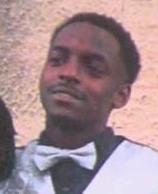
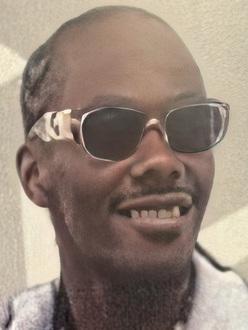
The morning of May 12, 2024, the 3600 block of Leverton Avenue in Southeast Baltimore became the place where Moses McKnight, 42, a Black man, was shot and rushed to a hospital, where he died later that day. Police said officers arrived around 4:45 a.m. and found him suffering from multiple gunshot wounds, including to his lower back and leg, before he was transported for emergency treatment.
In the days that followed, the name “Moses” began to settle into the city’s grim roll call of violence, but the accounts of his life painted something fuller than a headline. His obituary described him as “Bird,” a nickname tied to his small stature, and remembered him as someone who could light up a room, talk basketball, and never shy away from playful trash talk—especially when it came to his favorite rapper, Gucci Mane. It also emphasized how deeply he loved his children and the tight circle of family he left behind.
As investigators worked the case, the story that emerged in court focused on a familiar spark: money and an argument that escalated into a few frantic seconds. Prosecutors later alleged that Melvin Garcercis Tucker was the man who pulled the trigger, telling jurors the killing stemmed from a dispute over money McKnight owed. According to reporting from Tucker’s June 26, 2025 trial, charging documents described Tucker parking nearby in a light-colored Ford Explorer around 4:30 a.m., approaching McKnight, exchanging a brief handshake, and then attacking and shooting him—an account the state said was supported by surveillance footage showing a distinctive multi-colored jacket.
The case against Tucker leaned heavily on technology and timing: surveillance video, license plate reader data, and the claim that a white SUV seen leaving the scene belonged to him. Prosecutors argued the footage showed the vehicle pulling into an alley near the block, a person in a multi-colored jacket stepping out and joining a small group on the sidewalk that included McKnight, and then—within less than a minute—gunfire, a quick retreat to the vehicle, and a drive-off. They also pointed to Tucker’s admission that he was present at the scene, while noting he denied being the shooter and described McKnight as “like a brother.”
But the trial exposed fractures in the narrative, too. A witness told the court she heard Tucker and McKnight arguing about money just before the shooting, yet when asked to identify the shooter in the courtroom, she said she could not. The defense attacked the reliability of the investigation, arguing that the witness initially denied knowing who did it and that an identification process came much later. Defense counsel also highlighted that the firearm was later found with another person about two months after the killing and argued that investigators did not take DNA swabs or fingerprints from the scene or when the gun was recovered—points prosecutors countered by saying guns can move between people and that fear can keep witnesses from making identifications.
By the end of June 2025, the case did not end with certainty. After the trial closed on June 30, Tucker sought acquittal; the judge denied that request and dismissed only one count—firearm possession with a prior felony conviction—while leaving the central allegations for the jury. Jurors then deadlocked on major charges, and the judge declared a mistrial on July 1, 2025; as of early July 2025, no further hearings were scheduled, leaving the killing legally unresolved despite the arrest and prosecution.