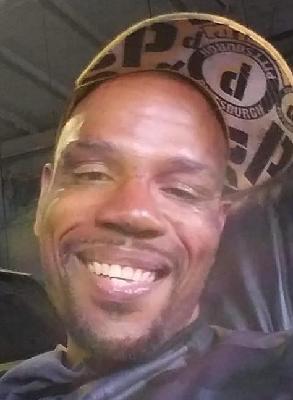
In April 2023, 19-year-old D’Marea Thornton, a Black male from Toledo, Ohio, slipped out of everyday contact with his family in a way that immediately felt wrong to the people who knew him best. When his mother realized she hadn’t heard from him, she went to police, and a missing-person alert went out describing him as last seen on April 15 in the 1800 block of Wychwood in west Toledo, with a plea for anyone with information to contact Crime Stoppers.
For days, relatives and friends called his phone, checked social media, and organized their own searches when official answers didn’t come quickly enough. Thornton had already survived gun violence once before, having been shot and wounded in a separate incident the previous summer while walking through the Weiler Homes area in East Toledo, and the people around him now feared that danger had caught up with him again.
Their fears were confirmed on the evening of April 18, 2023. Acting on a tip that arrived through Facebook—a chilling message sent to his stepbrother that said, in effect, that Thornton had been found and was gone—family members and a community search party went to a vacant house in the 800 block of Vance Street in central Toledo. Inside the neglected two-story structure, on the second floor, they discovered his body and called police. Responding officers and medics could only pronounce him dead at the scene, turning a missing-person case into a homicide investigation in a single, devastating moment.
The Lucas County Coroner’s Office conducted an autopsy the following day and found that Thornton had been shot multiple times; the manner of death was ruled homicide. Later coroner summaries would list his case simply and starkly: homicide, multiple gunshot wounds, in the 800 block of Vance. Local news emphasized that he was the 11th homicide victim in Toledo in 2023, one name in a growing list of young people lost to gunfire, even as friends and relatives lit memorial candles online and remembered him as funny, loving, and caring, a former Bowsher High School student whose life had been cut short.
In the months after the killing, coverage of Thornton’s death shifted from the immediate shock of the discovery to the lingering uncertainty of a case without a clear resolution. A feature segment by a local news outlet explicitly framed his killing as an unsolved murder, revisiting the abandoned house on Vance Street and recounting how his own loved ones had been forced to find him there after a social media tip, underscoring the sense that the community had done everything it could while answers from the investigation remained out of reach.
Publicly available information about the investigation remains sparse. Police confirmed that the case is being investigated as a homicide and have not released detailed information about a motive, the events that led Thornton to that vacant house, or who might have been with him in his final hours. Posts and discussions connected to his case talk about ongoing concern, the role of social media in locating him, and general references to suspects and violence in the community, but do not name any individuals or describe formal charges.
As of the latest accessible reporting, there are no widely reported announcements of arrests, named suspects, or filed charges in connection with Thornton’s death. Local media and case features continue to describe the homicide as unsolved, and appeals for information through Crime Stoppers and community channels remain part of the story. In the absence of a public resolution, his family and community are left with a painful narrative that ends not with justice in a courtroom, but with an unanswered question: who took D’Marea’s life in that empty house on Vance Street, and why.