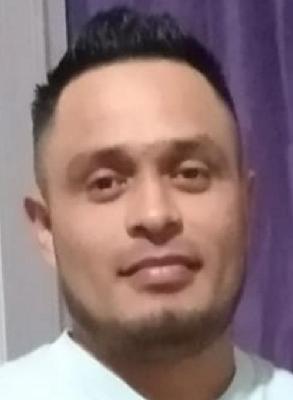
In the heart of New Orleans, a city pulsating with the rhythms of bounce music, Charles 'Charlie Whop' Davalie, a 49-year-old male artist, was a recognized figure. His journey, which began in the Desire neighborhood, saw him become a fixture in the local rap and hip-hop scene since the 1990s. Known for his party-starting lyrics and infectious energy, he was a voice that resonated through the 9th Ward and beyond.
On the afternoon of March 8, 2023, in the Seventh Ward, this vibrant life
was cut short. Following a heated argument that escalated into a physical altercation, Davalie was shot multiple times near the intersection of North Broad and St. Bernard Avenue. The man he had been arguing with, who was known to Davalie's family as an acquaintance of one of his children, fled the scene, leaving the beloved bounce artist to succumb to his wounds.
Within 24 hours, the New Orleans Police Department identified 27-year-old Jamarin Barnes as the primary suspect. A week after the shooting, a collaborative effort between the NOPD's Violent Offender Warrant Squad, U.S. Marshals, and the Bogalusa Police Department led to Barnes's apprehension in Washington Parish. He was then transported back to New Orleans to face charges.
Initially charged with second-degree murder, Jamarin Barnes's case concluded with a plea deal. The charge was reduced to manslaughter, and he was also charged with obstruction of justice and being a felon in possession of a firearm. Video evidence presented during the legal proceedings captured the moments leading up to the fatal encounter, showing a verbal dispute that turned violent when Davalie grabbed Barnes. After being separated, Barnes produced a weapon and shot Davalie, who was attempting to run away.
Barnes was sentenced to 10 years for manslaughter, with an additional 15 years for each of the other two charges. He will be eligible for parole after serving seven and a half years. The outcome of the case left Davalie's family feeling that the punishment did not fit the crime, expressing their profound grief and belief that the justice system had failed to deliver a sentence that truly reflected the loss of a father, grandfather, and a significant voice in New Orleans' cultural landscape.