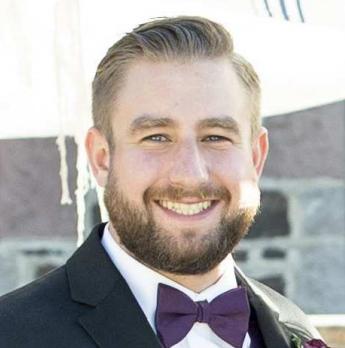
In the heart of Washington, D.C., just blocks from the White House, 56-year-old Leo Colter’s life came to a violent and tragic end on the night of October 1, 2023. Colter, a man without a permanent home who often sought refuge in McPherson Square, was found on a park bench shortly before 10 p.m. by officers responding to reports of gunshots. Initially, first responders suspected a drug overdose and administered Narcan, but a subsequent examination by a forensic investigator revealed a fatal
gunshot wound to his upper back.
The investigation into Colter’s death revealed he was an innocent bystander caught in the crossfire of a brutal turf war between rival drug factions. Detectives believe a group known as the 'Park Crew' was attempting to encroach on the territory of the 'Shake Shack crew,' named for their proximity to the restaurant. It was during a retaliatory shooting between these two groups that a stray bullet struck and killed Colter as he sat on the park bench. An advocate for the unhoused described him as a 'big teddy bear' who, despite struggling with substance abuse and mental health issues, was harmless to others.
In the months that followed, law enforcement made significant progress in the case. On February 16, 2024, police arrested 41-year-old Marques Johnson of Northeast Washington, charging him with first-degree murder while armed. Surveillance footage capturing his clothing and vehicle at the time of the shooting was crucial in identifying him as a suspect. During questioning, Johnson admitted to selling crack cocaine near the Shake Shack but denied any involvement in the shooting.
Further investigation led to a second arrest on January 22, 2025. Andrew Ellis, a 22-year-old from Tampa, Florida, was taken into custody and also charged with first-degree murder while armed. Court documents suggest that both Johnson and Ellis were seen in surveillance footage driving away from McPherson Square Park after the shooting in a vehicle identified as Johnson's. A judge found probable cause to move forward with the case against Johnson, citing witness identification, his resemblance to the suspect, his vehicle, and his known presence at the crime scene as key pieces of evidence.