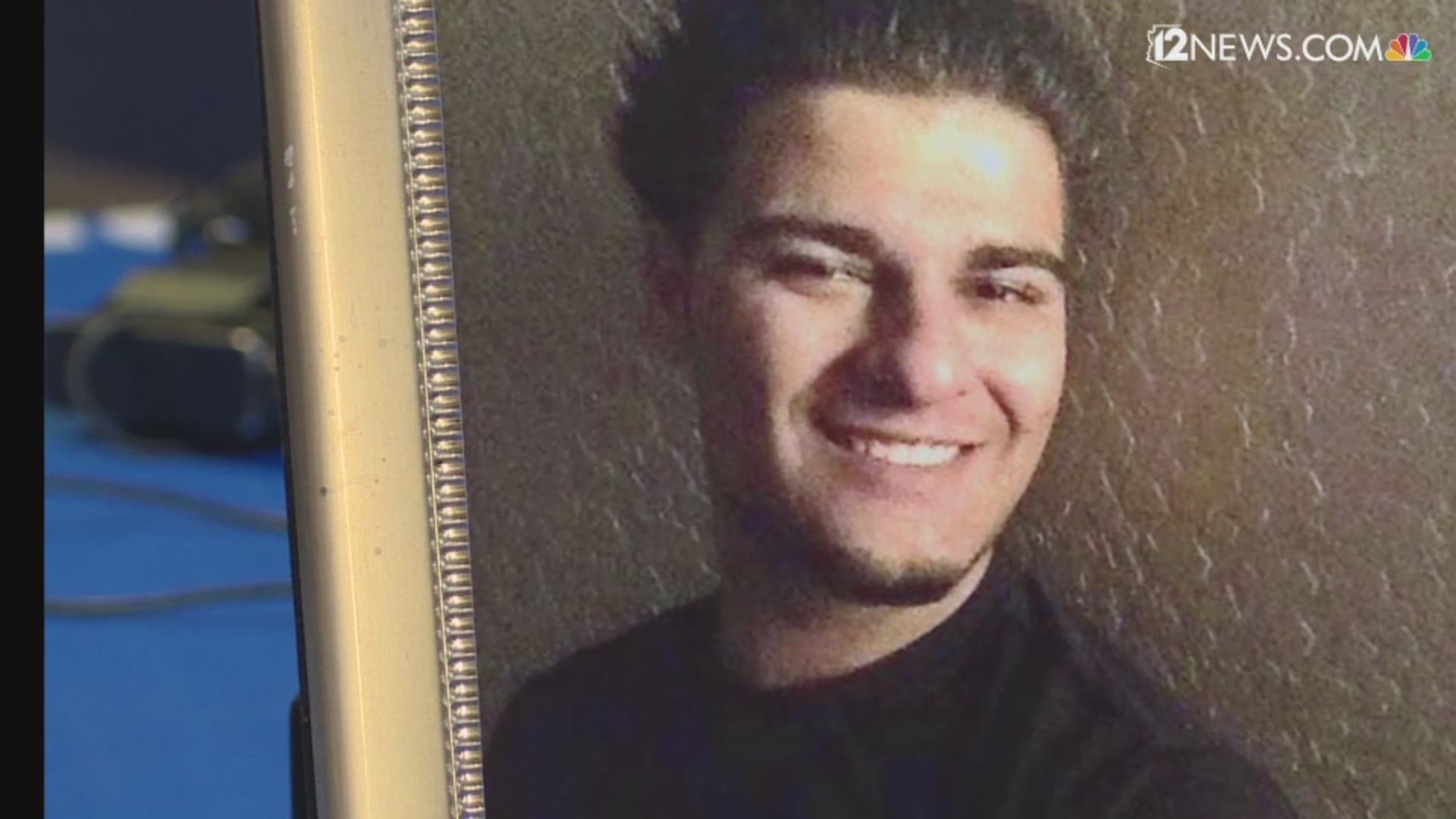
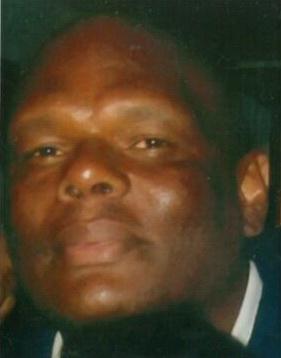
George Wesley Montgomery, a 43-year-old Black / African American male, was a well-known former Arizona State University running back and team captain who later built a career as a financial planner in the Phoenix area, where he lived with his wife Heather and their two children. Friends, clients, and former teammates remembered him as charismatic, hardworking, and deeply devoted to his family, a person whose presence “lit up a room” and who remained closely tied to his football roots even
after his playing days in Europe and his transition into the financial services world.
In late July 2014, Montgomery drove from the Phoenix area to Yavapai County, telling family he was heading to the Wet Beaver Creek area to scout a camping spot along Bell Trail, a popular hiking route southeast of Sedona. He last spoke with his family on the evening of July 30, 2014. The next morning, July 31, two hikers discovered his body partially submerged in Beaver Creek along the Bell Trail in Wet Beaver Creek Canyon and notified the Yavapai County Sheriff’s Office. Responding deputies and investigators found him in the water with obvious gunshot trauma and a handgun located nearby, and early public statements from law enforcement described the death as “suspicious” while emphasizing that the manner of death had not yet been determined and that they were seeking information from anyone who had been in the area.
Subsequent reporting added that the autopsy revealed multiple gunshot wounds rather than a single shot. According to later accounts that summarized the investigative findings, Montgomery had four gunshot wounds: two bullets that entered his chest, with additional wounds to a hand and a leg. The presence of more than one gunshot wound, combined with the remote location and the recovery of a firearm close to his body, fueled public speculation and family concern about what exactly had happened along the creek that day. From the outset, relatives and supporters questioned whether a straightforward suicide narrative could fully explain the pattern of injuries and the circumstances in which his body was found.
At the time of his death, Montgomery was under intense personal and professional strain. He had been involved in selling investments linked to the “Twin Peaks” mining venture, which Arizona regulators later characterized as a Ponzi-type scheme that cost investors millions of dollars. He was scheduled to appear for a court examination in connection with a joint investigation by the Arizona Attorney General and the Arizona Corporation Commission, but he never arrived; that missed appearance coincided with the trip to Yavapai County. Reporting also indicates that he had recently been served with an eviction notice, adding acute financial pressure to the regulatory and legal problems already confronting him.
Montgomery’s family has long argued that his medical history is central to understanding his death. Months before the incident, he had been in a serious car accident that caused a significant head injury, and his wife later explained that she left her job to help care for him while he recovered. After his death, his brain was examined by specialists and was found to show signs of chronic traumatic encephalopathy a degenerative condition associated with repeated head trauma in contact sports such as football. His widow has publicly stated that the Yavapai County Sheriff’s Office ultimately classified his death as a suicide, but she strongly disputes that conclusion and has pointed to what she describes as forensic, medical, and circumstantial evidence that, in her view, does not fit a self-inflicted shooting. She has since become vocal about both the unanswered questions surrounding his death and the broader risks of CTE among football players.
Despite the lingering doubts expressed by his family and some observers, there is no public record of any suspect being identified or of any arrests being made in connection with Montgomery’s death. Law enforcement statements and subsequent civil and media discussions frame the case as one in which the official determination was suicide, with no criminal charges filed against any third party. Publicly available case summaries and later reviews of the incident consistently note the absence of named suspects, indictments, or prosecutions, leaving his loved ones with an official ruling they dispute and a set of circumstances that, in their view, remain unresolved even though the investigative file appears to be effectively closed from a criminal standpoint.