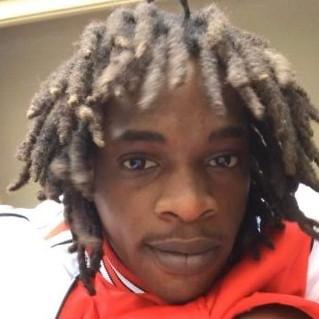
On June 21, 2015, Kenneth Kinard, 30, a Black/African American male, was fatally shot during a pool party at a North Phoenix apartment complex in Phoenix, Arizona. He was attending a social gathering at the complex when an argument broke out among people at the event. That confrontation escalated into violence, and one or more people produced a firearm, leading to gunfire that struck Kinard and ended his life.
Accounts compiled later describe the shooting as occurring in the middle of what had begun as a routine summer pool party, turning a casual gathering into a crime scene in moments as the argument intensified. Emergency responders were called to the complex and arrived to treat him, but despite their efforts he was pronounced dead and the scene was secured by Phoenix police, who began interviewing witnesses and collecting physical evidence to determine exactly how the altercation had unfolded and who was responsible for the shots that killed him.
The following day, local media reported that Phoenix police had arrested a suspect in connection with the fatal shooting at the pool party, indicating that investigators were able to quickly identify and detain at least one person they believed was involved. Coverage referenced by memorial records specifically notes that The Arizona Republic ran a story under the headline “Phoenix police arrest suspect in fatal shooting at pool party,” and a broadcast outlet, KNXV, reported on the death at the North Phoenix apartment complex. Publicly accessible summaries, however, do not provide further details such as the suspect’s name, the precise charges filed, or the eventual outcome of the case, so it is not clear from available open sources whether that arrest led to a conviction or whether additional suspects were ever pursued.
Kinard’s killing is documented in online memorial and case-tracking resources, including a national gun-violence memorial site and an Arizona-focused homicide database, which both record his death by gunfire in Phoenix on June 21, 2015. The memorial entry notes that candles have been lit in his memory and invites friends, family, and members of the public to contribute photographs, personal remembrances, and information about his life, underscoring that beyond the sparse investigative details preserved in news briefs, he is remembered as an individual whose life was cut short in a sudden act of violence at what should have been an ordinary summer gathering.