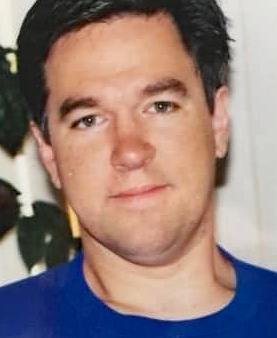
Robert Garrison Brown, a 25-year-old white male, was the son of Kody and Janelle Brown of the reality series Sister Wives and a staff sergeant in the Army National Guard, known among family, fellow soldiers, and viewers for his humor, love of travel, and devotion to his three rescue cats. In early March 2024 he was living in his own home in Flagstaff, Arizona, sharing the space with roommates while working, serving in the Guard, and maintaining close, frequent contact with his mother.
On March 5, 2024, that house would become the focus of a tragic police response when he was found dead inside, his life abruptly ended by a gunshot wound that investigators would soon rule a suicide.
The day before his death unfolded like many others on the surface. Janelle later told police she had been texting with her son throughout March 4, something they routinely did several times a day. Behind the casual back-and-forth, however, he was also sending increasingly ominous messages to a group of people connected with the family’s television work, expressing a painful nostalgia for better times. In one widely reported text, he wrote, “I want to hate you for sharing the good times. But I can’t. I miss these days,” a line that would haunt his family once they understood it had been a kind of farewell. When he suddenly stopped replying to his mother that night, her concern grew; unable to reach him, she asked her adult children in Flagstaff to check on their brother.
Gabriel, his younger brother, volunteered to go. Police records and subsequent reporting describe Gabriel meeting officers at the Flagstaff home on March 5 and entering to find his brother already deceased. The Flagstaff Police Department announced that he had been located in his residence with an apparent self-inflicted gunshot wound, and officers at the scene reported no signs of a struggle or forced entry. His roommates later told investigators they had heard a loud noise during the night but had not realized what it was, only learning the awful truth when police arrived and the house filled with flashing lights and officers’ voices.
In the weeks that followed, the Coconino County Medical Examiner completed an autopsy that confirmed what the initial scene suggested. The report found that he died from a gunshot wound to the head, and officially ruled the manner of death as suicide. Toxicology results added another layer of sorrow: his blood alcohol level was recorded at approximately 0.307% in one sample and 0.370% in another, levels far above the legal limit and consistent with ethanol intoxication contributing significantly to his death. Public statements and later episodes of Sister Wives revealed that he had been struggling with alcohol in the years leading up to his death, cycling between periods of sobriety and bouts of heavy drinking that worried his family even as they tried to support him.
Beneath the headlines about a reality-TV family, the picture that emerged was of a young soldier and craftsman who had been carrying a heavy emotional burden. He served in the Army National Guard as a cavalry scout and staff sergeant, earning the respect of fellow soldiers who later gathered at a memorial service to honor his dedication and camaraderie. Away from the military, he loved photography, woodworking, and caring for his cats, whom he adopted from a local shelter in Flagstaff; after his death, that shelter named a new cat adoption room in his honor, funded by donations made in his name. At the same time, his relationship with his father had become strained, something both the show and police-summarized interviews acknowledged. The estrangement, combined with his drinking and the pressures of public attention, formed part of the painful context his family later described as they tried to understand what had overwhelmed him in his final year.
After the investigation at the house concluded, his body was transported for burial, and the family held a private funeral on March 9, followed by military and family memorials in the months that followed in both Arizona and Wyoming. On television and social media, his parents and siblings spoke of him as “the funniest person in the room,” a loving brother whose loss left them “extremely broken” but determined to honor his memory through charitable work and renewed connection with one another. Because law enforcement and the medical examiner unanimously concluded that he died by his own hand and found no evidence that anyone else was involved, there were no suspects developed, no arrests made, and no criminal charges, trials, or convictions arising from his death. His case stands not as an unsolved killing but as a documented suicide, leaving behind a grieving family and a broader conversation about mental health, alcohol use, and the quiet battles that can unfold behind familiar faces.